Skip to content


Published
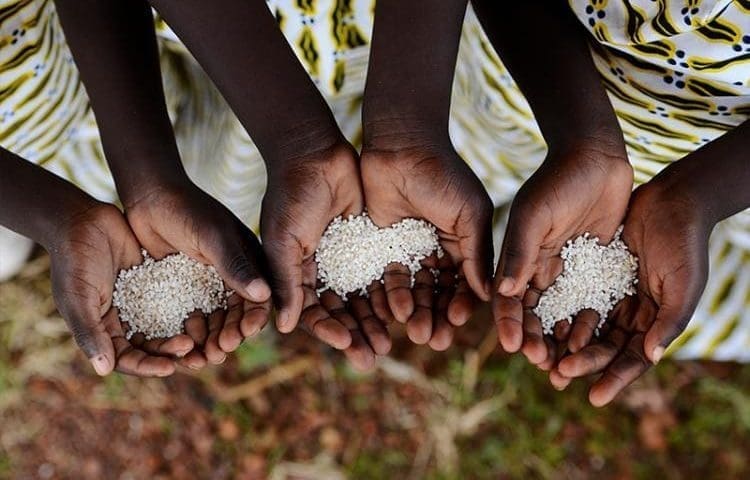
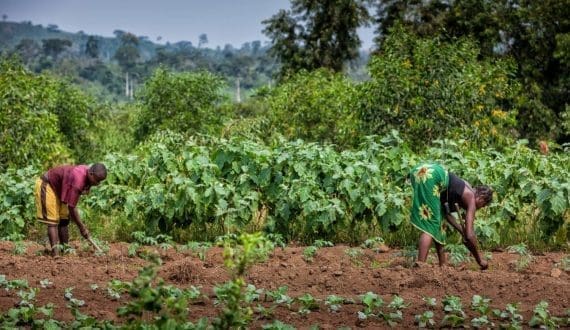
NIGERIA- The International Fund for Agricultural Development (IFAD) has issued a US$50 million bond under its Sustainable Development Finance Framework (SDFF) to the Japanese association Zenkyoren (National Mutual Insurance Federation of Agricultural Cooperatives) to enhance food security in developing countries.
The funding is IFAD’s first nutrition bond under SDFF.
The bond is intended to support IFAD’s investments in various rural development programs, especially in Nigeria and the rest of Africa, and enhance nutrition and food security for millions of people.
According to IFAD, the funds will be used to fully integrate nutrition in the various IFAD-funded programs and meet nutrition commitments for the 2025-2027 SDFF program. IFAD reiterated that it intends to use bond issuance to address the underlying causes of malnutrition in at least 60% of its financed agriculture development projects.
Although the funds will be primarily used to enhance food production in targeted developing countries, the funds will also be used to address issues like inadequate healthcare for mother and child feeding practices and unhygienic environments.
IFAD hailed the move, stating the bond issuance and the objectives of the partnership aligns with its development goals.
IFAD said in a statement, “Nutrition is one of IFAD’s four cross-cutting thematic commitments, as a nutrition lens is applied in the design and implementation of investments in agriculture, supporting rural people to improve their diets by growing and consuming diverse, nutritious, safe and affordable foods.”
Zenkoyen also welcomed the move, reiterating that it would help the association tackle malnutrition in small-scale rural areas by offering much-needed support to farmers in Africa and beyond. The association reiterated that although it is important to tackle the causes of malnutrition in health and hygiene, the most important aspect of the program will be providing assistance to these small-scale farmers to enhance their production.
As such, its assistance through IFAD’s SDFF program will mirror support offered to its 10 million members in japan, which prioritize offering services, training and equipment with a net positive impact of first enhancing production of high-quality, nutritious products then the oher underlying factors surrounding malnutrition.
Liked this article? Sign up to receive our email newsletters with the latest news updates and insights from Africa and the World. HERE
No related posts.
We use cookies to improve your experience on our site. By using our site, you consent to cookies.
Manage your cookie preferences below:
Essential cookies enable basic functions and are necessary for the proper function of the website.
These cookies are needed for adding comments on this website.
Google's current Sign in with Google client library. It renders the Google sign-in button, or the One Tap prompt, so visitors can log in to your site with their Google account. It replaces the older Google Sign-In platform library.
Service URL: policies.google.com (opens in a new window)
Google Tag Manager simplifies the management of marketing tags on your website without code changes.
Statistics cookies collect information anonymously. This information helps us understand how visitors use our website.
Google Analytics is a powerful tool that tracks and analyzes website traffic for informed marketing decisions.
Service URL: policies.google.com (opens in a new window)
WPMU DEV Analytics is the visitor statistics feature of the WPMU DEV Dashboard plugin. It reports traffic and visitor behavior inside The Hub using a Matomo analytics instance hosted by WPMU DEV.
Service URL: wpmudev.com (opens in a new window)
Marketing cookies are used to follow visitors to websites. The intention is to show ads that are relevant and engaging to the individual user.
AddToAny provides share and follow buttons that let visitors post your pages to social networks, messaging apps, and bookmarking services.
Service URL: www.addtoany.com (opens in a new window)