
India lifts ethanol production restrictions for 2025/26
India removes ethanol output limits, boosting biofuel blending targets while ensuring steady sugar availability for domestic demand.
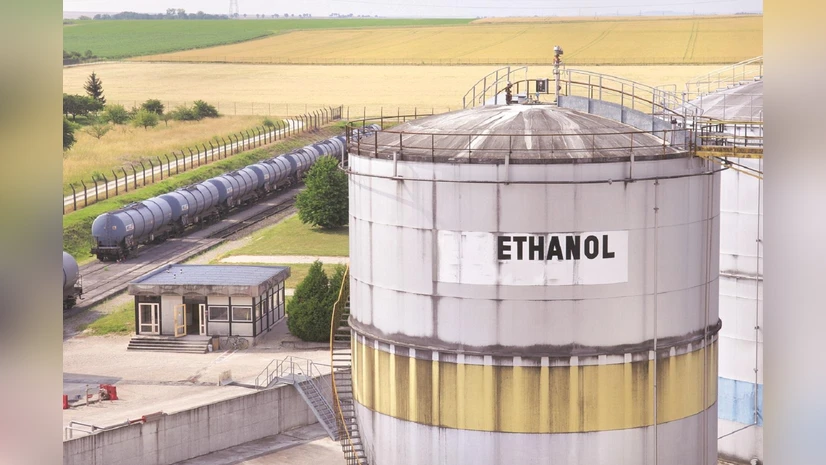
INDIA – India has lifted restrictions on ethanol production from sugarcane juice, syrup, and all types of molasses for the 2025/26 season, allowing sugar mills and distilleries to produce the biofuel without quantitative limits.
The Ministry of Consumer Affairs, Food & Public Distribution announced that, starting from November 1, 2025, the new ethanol supply year will operate under unrestricted production.
The move marks a shift from the previous marketing year when ethanol output was curtailed due to reduced sugarcane supplies.
According to the ministry, the Department of Food and Public Distribution (DFPD), in collaboration with the Ministry of Petroleum and Natural Gas (MoPNG), will monitor ethanol diversion from sugar and adjust policies to ensure sufficient availability of sugar for domestic consumption throughout the year.
The measure is part of India’s broader energy strategy to increase biofuel blending in transportation fuels while maintaining food security.
The decision comes at a time when sugarcane supplies are projected to increase. Favorable monsoon rains over the last two years have enabled farmers to expand cultivation, boosting expectations of a bumper harvest.
A Maharashtra-based sugar miller welcomed the announcement, noting, “The government should also raise the ethanol procurement price so that mills can pay farmers the government-fixed cane price.”
Indian sugar companies including E.I.D.-Parry, Balrampur Chini Mills, Shree Renuka, Bajaj Hindusthan, and Dwarikesh Sugar have expanded ethanol production capacities in recent years to align with the government’s renewable energy and fuel security goals.
India, the world’s third-largest importer and consumer of petroleum products, aims to raise the ethanol blending rate in gasoline to 20% by 2025/26. Oil marketing companies currently procure ethanol from sugar- and grain-based distilleries at fixed government rates, which vary depending on the feedstock.
For 2025, the government has set prices at Rs 65.61 per litre for sugarcane juice/syrup, Rs 60.73 per litre for B-Heavy Molasses, and Rs 57.97 per litre for C-Heavy Molasses, among others.
Industry officials emphasized that using sugarcane juice or syrup for ethanol production eliminates sugar output, helping balance domestic sugar availability amid rising production.
Conversely, molasses-based ethanol production occurs only when sugar is processed.
The Indian Sugar and Bio-energy Manufacturers Association (ISMA) projected in July that gross sugar production will rise 18% to 34.90 million tonnes in the 2025/26 season.
ISMA also urged the government to allow 2 million tonnes of sugar exports and divert an additional 5 million tonnes toward ethanol production.
With the sugar industry’s ethanol capacity standing at 853 crore litres per year, including 174 crore litres from dual-feed plants, mills would need to divert around 11 million tonnes of sugar to operate at full ethanol capacity if 100% juice-based production is adopted.
Sign up HERE to receive our email newsletters with the latest news and insights from Africa and around the world, and follow us on our WhatsApp channel for updates.