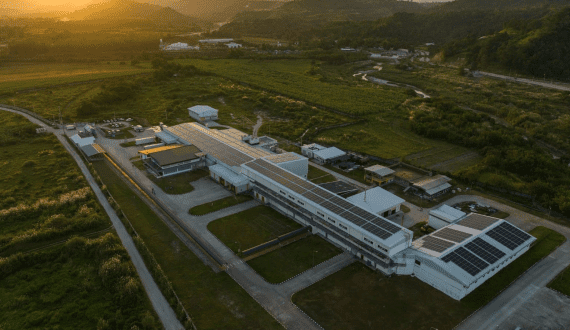

JBS to prepare for lower cattle supply amid global meat market changes
Company signals expansion opportunities in Europe despite limits in US and Brazil.
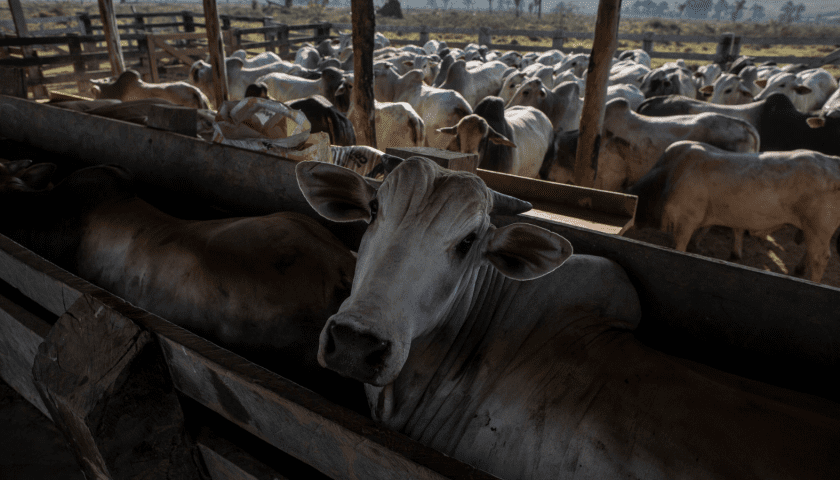
BRAZIL – Brazilian meatpacking giant JBS is taking steps to address a potential decline in the country’s cattle supply next year, executives said Wednesday.
Eduardo Pedroso, Executive Director of Origination at Friboi JBS, told reporters in Sao Paulo that the company is securing partnerships, contracts, and close ties with ranchers to maintain its processing volumes.
Pedroso added that crop-livestock integration, technological improvements, earlier slaughter ages, and productivity enhancements could ease the impact of the upcoming cattle cycle change.
Brazil has seen a surge in cattle slaughter over the past two years due to oversupply, allowing meat processing rates to rise, but indicators now suggest fewer animals will be available in 2026.
Consultancy Datagro projects that Brazilian cattle slaughter will decline more than 9 percent next year to 37.1 million animals after increases exceeding 16 percent between 2023 and 2024 and 3 percent from 2024 to 2025.
JBS, which recently listed its shares on the New York Stock Exchange, gains access to a broader investor base that can lower its capital costs and improve competitiveness against peers such as Tyson Foods in the US and local rivals including Minerva.
Wesley Batista, controlling shareholder of JBS, described Europe’s meat market as fragmented and highlighted potential acquisition opportunities across the region, according to Reuters.
Speaking alongside Marcos Molina, shareholder in Marfrig and BRF, Batista confirmed that the company is exploring acquisitions in Europe and other global markets while acknowledging that antitrust restrictions limit expansion in Brazil and the United States.
Batista explained that JBS already controls roughly 20 to 25 percent of the US beef, pork, and chicken market, making further acquisitions in North America unlikely, and noted a similar scenario in Brazil’s processed foods sector.
The executive also pointed to rising global protein demand linked to widespread use of weight-loss drugs like Mounjaro and Ozempic, estimating that 15 million Americans take such medications regularly, although precise impacts on meat consumption are not yet quantified.
The statements reflect JBS’s strategic adjustments amid tightening cattle supply in Brazil and changing market conditions worldwide, signaling cautious preparation for both domestic and international challenges.
Sign up HERE to receive our email newsletters with the latest news and insights from Africa and around the world, and follow us on our WhatsApp channel for updates.