Kenya lifts import levy on nuts and oil crops for EPZ, SEZ enterprises
Policy change aims to lower production costs and improve regional trade across the East African Community.
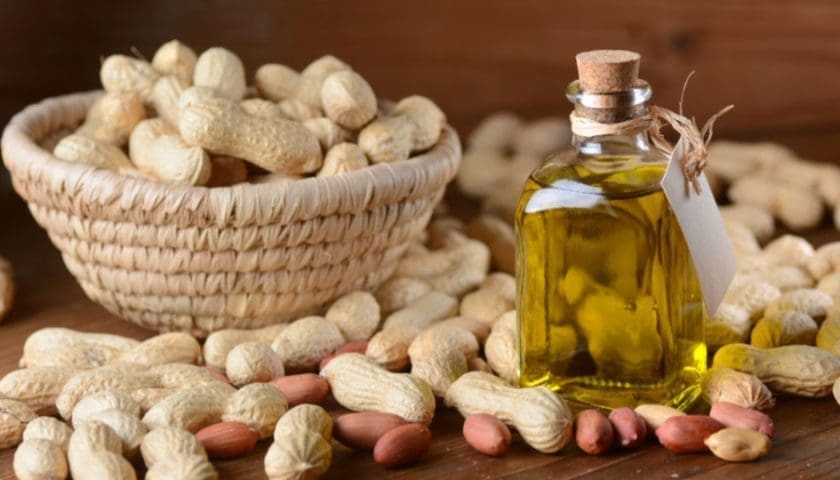
KENYA – A major policy change is set to reshape Kenya’s edible oil industry after the government announced an exemption on import levies for nuts and oil crops brought in by businesses operating in Export Processing Zones (EPZ) and Special Economic Zones (SEZ).
The exemption will apply to goods imported from East African Community (EAC) member states starting April 17, 2025.
The announcement came through Legal Notice No. 26 signed by the Cabinet Secretary for Agriculture and Livestock Development on February 14, 2025. It amends the Crops (Nuts and Oil Crops) Regulations 2020 to align with the Finance Act 2023.
The change will see EPZ and SEZ-based enterprises spared from paying import levies on nuts and oil crops sourced from EAC countries, which include Uganda, Tanzania, Rwanda, Burundi, South Sudan, the Democratic Republic of Congo, and Somalia.
The Agriculture and Food Authority (AFA), the agency overseeing the nuts and oil crops sub-sector, confirmed the changes and urged stakeholders to review the updated rules on the KenTrade Trade Facilitation Platform (TFP).
“This move will reduce production costs and make fresh produce processing more competitive in both local and international markets,” said the Director General of AFA.
Kenya has long depended on imported edible oil. In 2021 alone, the country spent KES 115 billion (USD 885.27 million) on such imports. Officials believe that lifting these levies will help businesses cut costs while encouraging more regional trade.
Growth prospects for edible oil industry
The government projects the fresh produce sector to grow by 6.2% annually following the change. The AFA has also been promoting local production of sunflower, soya, canola, and coconut, hoping to close the gap in supply and reduce reliance on imported oil.
The exemption is part of broader efforts under the Bottom-Up Economic Transformation Agenda (BETA), which seeks to grow domestic industries and increase employment.
Last year, AFA took a key step in this direction by launching the Edible Oil Crops Promotion Project in Bomet County.
Under the project, over 9,975 kilograms of sunflower seeds were distributed to farmers across five sub-counties. The distribution process used the EVEMIS system, allowing farmers to register and redeem vouchers digitally.
“We are committed to supporting farmers and processors alike. This exemption complements our efforts to grow local production and reduce dependence on imports,” said the AFA Director General.
The larger goal of the Edible Oil Crops Promotion Project (2023–2027) is to raise domestic edible oil output from 80,000 metric tonnes to 240,000 metric tonnes. If successful, this will not only create more jobs but also strengthen Kenya’s food supply.
The AFA has confirmed it will publish detailed guidance for businesses on how to implement the exemption through the KenTrade TFP portal before the April 17 deadline.
Stakeholders are encouraged to stay informed and make the necessary preparations to take advantage of this new policy.
Sign up HERE to receive our email newsletters with the latest news and insights from Africa and around the world, and follow us on our WhatsApp channel for updates.