MALDIVES – More than 100 international scientists have joined forces with conservation groups, local fishers, and tourism advocates in a growing campaign to prevent the Maldivian government from reissuing longline fishing licenses.
A letter co-signed by the coalition was sent to officials, urging them to reconsider the potentially harmful practice that critics say poses a significant threat to the country’s marine biodiversity, particularly its vulnerable shark populations.
The campaign has gained considerable public support, with over 30,000 people signing an Only One petition within two weeks, emphasizing widespread concern over the issue.
At the heart of the debate is the South Asian archipelago’s dilemma over whether to permit longline fishing in its waters, a decision that conservationists argue could have far-reaching consequences.
The practice of longline fishing, which involves setting miles of baited hooks to catch fish, was introduced to the Maldives in 1985 by foreign-flagged vessels.
However, since then, the government has taken a stop-start approach, allowing and then curtailing the practice several times due to mismanagement.
The country first restricted longline fishing in 2010, citing regulatory issues but briefly reopened it in 2011.
Most recently, in 2019, new licenses were again halted due to non-compliance and irregularities in data reporting by the vessels involved.
Concerns over the possible issuance of new longline licenses have triggered the formation of the Maldives Ocean Alliance.
This group, which includes NGOs, scientists, and environmentalists, as well as the Yellowfin Tuna Fishermen’s Union, has launched a petition aimed at amplifying voices against the decision.
Despite the controversy, the Maldivian fishing industry has shown resilience.
As of October 2023, the country had exported 63,071.4 tonnes of fish, marking a 5.2% rise compared to the previous year, according to the Maldives Monetary Authority (MMA).
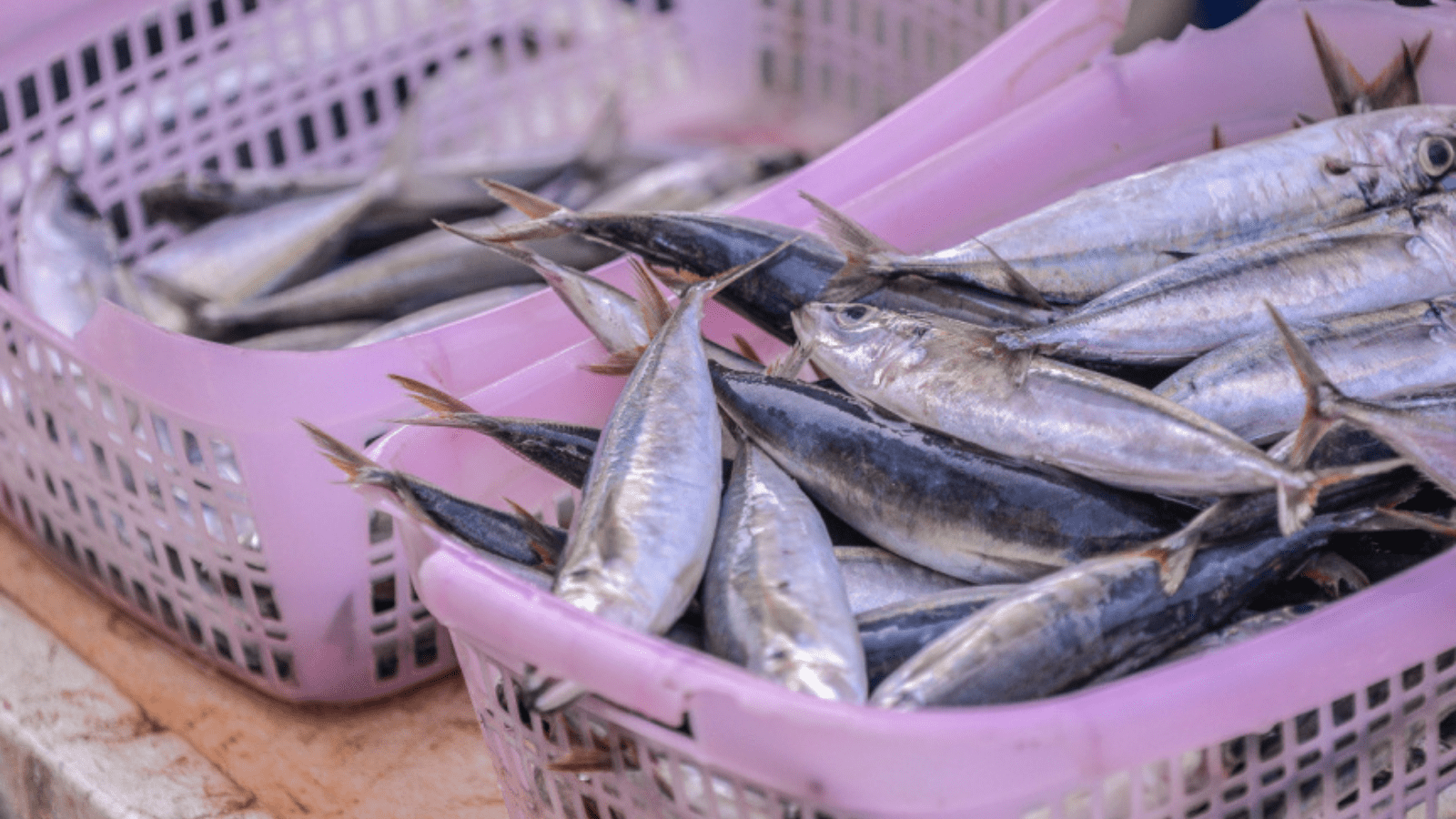
Among these exports, Skipjack Tuna remained the dominant species, accounting for 44,102 tonnes, while 6,454 tonnes of yellowfin tuna and 10,613 tonnes of canned and poached fish were also exported.
The central bank reported that the price of skipjack tuna in the international market stood at MVR 27.8 per kilogram as of September.