

Meat drives food inflation surge in South Africa
Annual food inflation climbs for the third month; beef and cereal prices drive the upward trend
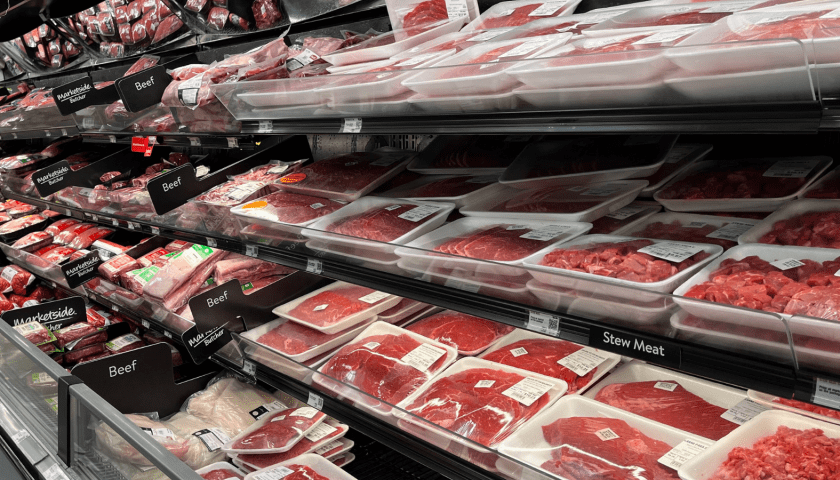
SOUTH AFRICA – Food inflation in South Africa continued its upward trend in April 2025, with meat prices driving the steepest monthly increase seen in over a year.
New data shows that annual food inflation climbed to 3.3% year-on-year, up from 2.2% in March, while the month-on-month rate surged from 0.2% to 1.3%.
Meat prices push inflation higher
The meat category recorded the most pronounced increase, reversing a months-long period of subdued growth to post a year-on-year rise of 3% in April, up from just 0.4% the previous month.
Monthly meat inflation rose to 2.3% in April, the highest since late 2023, after declining slightly in March.
Beef cuts led the gains, with brisket and chuck prices rising by 10.2% year-on-year and rump steak up by 8.8%.
In the wholesale market, class A beef carcasses reached a new monthly high of US$3.36/kg (R63.42/kg), while live weaner calf prices hit a 29-month peak of US$1.98/kg (R37.41/kg).
These developments come at a time when animal health issues are threatening to disrupt the country’s meat supply outlook.
South Africa continues to manage a foot-and-mouth disease outbreak that has triggered export restrictions on cloven-hoofed animals.
While this may increase domestic meat availability in the short term and moderate prices, the impact could be offset by reduced imports from Brazil, where avian influenza is affecting poultry supply.
Local chicken producers are reportedly planning to raise output and source alternatives to prevent shortages, although the potential for higher chicken prices remains.
Other food categories also show mixed movement
Cereal and bread inflation rose modestly to 4.8% year-on-year, reflecting persistent cost pressures despite easing futures prices.
Maize and wheat spot prices were still up 5% and 3% respectively compared to last year, although improved crop prospects have recently helped bring down July maize futures by nearly US$52.50/t (R1,000/t) to about US$220.50/t (R4,200/t).
Vegetables continued to see higher prices due to earlier climate-related supply issues, while fruit and nut inflation slowed to 7.4% year-on-year, with prices falling 2.1% month-on-month as supply recovered.
Looking ahead, a stronger rand and better global and local crop projections may start to ease some of the pressure on food prices in the coming months.
Sign up HERE to receive our email newsletters with the latest news and insights from Africa and around the world, and follow us on our WhatsApp channel for updates.

