
Namibia to enforce new permit rules for livestock, poultry meat trade
New law restricts imports and exports of dairy, poultry, hides, and eggs without permits.
Controlled products now subject to registration, inspections, and levies
NAMIBIA – Namibians are no longer allowed to import or export a range of livestock and animal products without first securing a permit.
This change follows the introduction of the Livestock and Livestock Products Amendment Act, which officially classifies certain commodities as controlled goods.
Under the new rules, enforced from 13 January 2025, anyone dealing in these products must apply for import or export permits from the Livestock and Livestock Products Board of Namibia (LLPBN), previously known as the Meat Board.
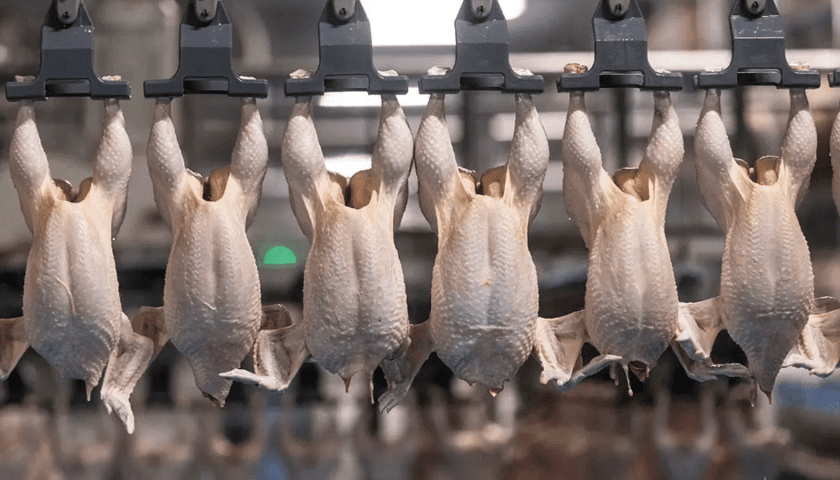
The updated list of controlled items includes poultry, poultry meat, poultry meat products, eggs, egg products, dairy, sheep and goat skins, as well as hides from cattle.
Ace Mutelo, spokesperson for the LLPBN, confirmed the law’s implementation and said that both imports and exports without proper documentation will no longer be allowed.
He added that the law also brings in general and special levies on all controlled products to help the board fund its operational mandate.
According to Mutelo, these levies are not direct charges on producers but are instead deducted from the earnings made when selling the products.
He clarified that the price used to calculate the levy is presumed to reflect the cost of production, similar to how income tax is determined.
Registration process underway
Alongside the permit system, the board has begun registering individuals and facilities involved in the production, processing, or trade of the affected products.
This registration process started on 13 January 2025 and is still ongoing, with a considerable number of people already added to the system.
To speed up the process, the board has launched a regional outreach effort where officers help producers register on-site.
Mutelo said this step is critical for gathering reliable data, future planning, and ensuring broader participation in the sector.
Once registered, producers can apply for the necessary documents to either import or export the listed goods.
LLPBN officials are also stationed at all major border posts to verify documentation, inspect goods, and support the movement of legal consignments.
Mutelo said most stakeholders were already informed ahead of the law’s rollout, and there has been minimal confusion or resistance.
He emphasized that all producers, regardless of their scale, are required to register as there is no minimum size threshold in the law.
Small and medium enterprises, he noted, are encouraged to take part so they can have a voice in the industry’s development and decision-making processes.
Sign up HERE to receive our email newsletters with the latest news and insights from Africa and around the world, and follow us on our WhatsApp channel for updates.