New Zealand blueberry growers warn proposed import rules risk pest incursions, financial losses
This dispute highlights the tension between expanding international trade and protecting a nation’s ecological and economic safety.
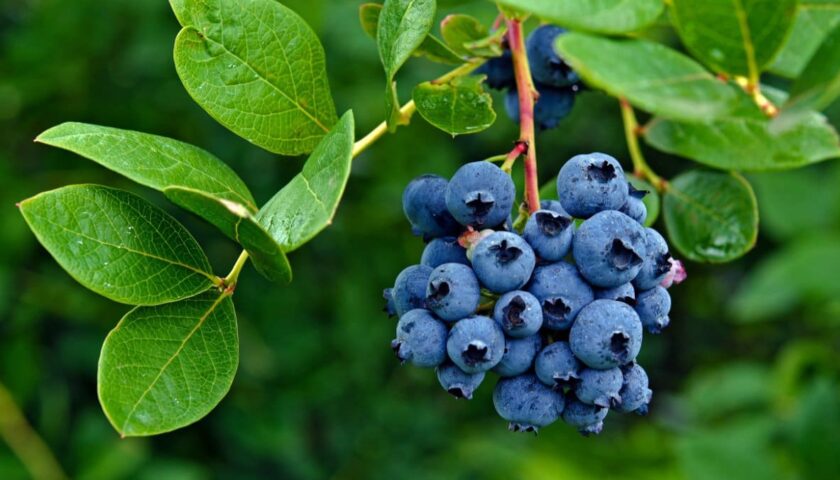
NEW ZEALAND – Blueberries New Zealand has raised biosecurity concerns over proposed import health standards that would allow fresh blueberries from Chile, Mexico, Morocco, Peru, and the USA to enter New Zealand for the first time.
Biosecurity New Zealand recently closed consultation on the draft standards, which the industry group says would expose the country to pests and diseases, including Spotted Wing Drosophila fruit fly and the bacterial plant disease Xylella fastidiosa.
Trudy O’Halloran, chairperson of Blueberries New Zealand, says the proposed rules would hold overseas exporters to lower standards than domestic growers. “An example under this proposed standard is that exporters from the five countries are allowed to pick fruit that may be contaminated, for example, if it is on the ground, it might have soil on it. They’re allowed to clean it before sending it directly to New Zealand, whereas New Zealand growers are absolutely not allowed to do that.”
Furthermore, O’Halloran adds that the financial consequences could extend well beyond the blueberry sector. “This could cost New Zealand millions of dollars in incursions,” she warned.
Industry leaders claim that international exporters would be held to lower safety requirements than local farmers, potentially leading to devastating financial consequences for the broader agricultural sector. The introduction of fruit flies or Xylella fastidiosa could impact other horticultural crops and export markets beyond blueberries.
Lisa Winthrop, Biosecurity New Zealand’s director of biosecurity import and export standards, says in a statement that the risk assessment underpinning the draft standards has been comprehensive and consistent with international best practice.
On the other hand, Winthrop says MPI has held multiple meetings with industry representatives since 2021, and that consultation, which opened on 31 March 2026, was extended twice to give stakeholders more than ten weeks to respond. She says all submissions will be assessed on their merits before the final form of the standards is determined.
While officials insist that they have engaged in extensive consultation with stakeholders, the local industry is demanding more rigorous scientific meetings before any rules are finalized.
This dispute highlights the tension between expanding international trade and protecting a nation’s ecological and economic safety.
Finally, the industry’s concerns over soil-contaminated fruit and the introduction of pests reflect broader debates about balancing market access with biosecurity protection.
Sign up HERE to receive our email newsletters with the latest news and insights from Africa and around the world, and follow us on our WhatsApp channel for updates.