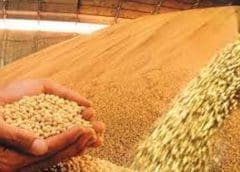

Nigeria sorghum production expected to increase to 7 million tonnes

NIGERIA- In 2022/2023, Nigeria is expected to record a harvest of 7 million tons of sorghum, higher than the 6.72 million tonne stock of the previous year.
If the production levels projected by the United States Department of Agriculture and Technology are realized, it could also mark the third consecutive season of increase since that of 2020/2021, thus confirming the dynamic displayed by the sector during the last decade.
In Nigeria, cereals provide the bulk of the daily calorie intake for the majority of the population. Alongside rice, maize and wheat, other grasses play an important role in food security and have become cash crops in their own right.
Sorghum is one of the few cereals that is not imported in Nigeria and its increasing use in several industries is contributing to increased investment in production development. These include animal feed, confectionery and especially beer.
Some brewers thus incorporate sorghum up to 40% in the production of alcoholic and non-alcoholic beverages Additionally, the high level of self-consumption linked to strong domestic demand both at the industrial level and for direct human consumption considerably limits shipments to the international market.
Although it is thus the world’s second largest supplier of the cereal behind the USA and the first in Africa, Nigeria only exports an average of 50,000 tonnes of sorghum, especially to Niger and Chad.
In Nigeria, sorghum production takes place on 5.7 million hectares. In partnership with the state government, the United Nations Development Programme (UNDP) supported the community to boost local food production by distributing agricultural inputs to the farmers across the community in preparation for the year’s planting season in anticipation of the much-awaited rains.
The materials provided will enhance the overall farming process and food production. Besides the implements, farmers will also receive training on how to utilize smart agriculture techniques, such as new methods of planting, harvesting, preservation and storage of harvest, to ensure that they are maximizing the productivity of their farms while also minimizing post-harvest losses.
Liked this article? Subscribe to Food Business Africa News, our regular email newsletters with the latest news insights from Africa and the World’s food and agro industry. SUBSCRIBE HERE