Published
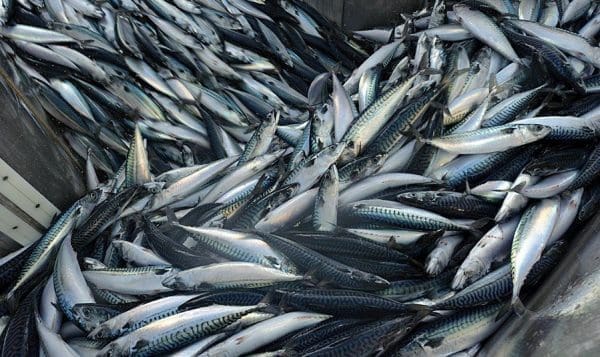
EUROPE – Norway, the United Kingdom, and the Faroe Islands have entered into a three-year agreement.
This accord, aimed at reducing the overall fishing pressure on mackerel populations, has been lauded by Norway’s Minister of Fisheries and Ocean Policy, Marianne Sivertsen Næss.
Næss expressed optimism about the agreement’s potential to set a precedent for broader cooperation.
She hopes this initiative will encourage other coastal states, including the European Union, Iceland, and Greenland, to eventually join a more comprehensive regional agreement.
The agreement meticulously outlines the management of national quotas, access to fishing zones, and the framework for scientific collaboration.
For 2024, Norway’s total mackerel quota is projected to be approximately 230,000 tons.
Notably, this agreement also grants Norwegian vessels the ability to fish part of their quota in the UK’s economic zone, including the waters surrounding Shetland.
“This arrangement enhances the flexibility and predictability for Norwegian fishing operations,” Næss stated.
She emphasized the agreement’s significance for the land-based industry, noting its positive impact on production planning and operational stability.
In addition to this mackerel fishing pact, a related agreement was signed in mid-May involving Norway, the United Kingdom, Belgium, Denmark, and the Netherlands.
This accord focuses on ensuring that autonomous ships can operate safely within each nation’s regulatory frameworks, promoting safety and efficiency in maritime operations.
The collaborative efforts between these nations mark a step forward in sustainable fishing practices and maritime safety.
Liked this article? Subscribe to Food Business Africa News, our regular email newsletters with the latest news insights from Africa and the World’s food and agro industry. HERE
No related posts.
We use cookies to improve your experience on our site. By using our site, you consent to cookies.
Manage your cookie preferences below:
Essential cookies enable basic functions and are necessary for the proper function of the website.
These cookies are needed for adding comments on this website.
Google's current Sign in with Google client library. It renders the Google sign-in button, or the One Tap prompt, so visitors can log in to your site with their Google account. It replaces the older Google Sign-In platform library.
Service URL: policies.google.com (opens in a new window)
Google Tag Manager simplifies the management of marketing tags on your website without code changes.
Statistics cookies collect information anonymously. This information helps us understand how visitors use our website.
Google Analytics is a powerful tool that tracks and analyzes website traffic for informed marketing decisions.
Service URL: policies.google.com (opens in a new window)
WPMU DEV Analytics is the visitor statistics feature of the WPMU DEV Dashboard plugin. It reports traffic and visitor behavior inside The Hub using a Matomo analytics instance hosted by WPMU DEV.
Service URL: wpmudev.com (opens in a new window)
Marketing cookies are used to follow visitors to websites. The intention is to show ads that are relevant and engaging to the individual user.
AddToAny provides share and follow buttons that let visitors post your pages to social networks, messaging apps, and bookmarking services.
Service URL: www.addtoany.com (opens in a new window)