

Pick n Pay marks strong first year in turnaround plan
CEO Sean Summers says the retailer is “exactly where we said we would be” after a year of financial recovery and sales growth.
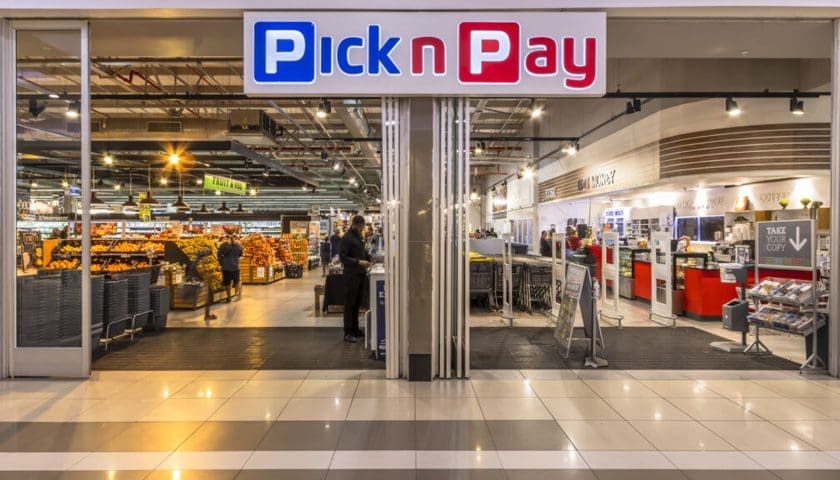
SOUTH AFRICA – Pick n Pay has reported solid progress in the first year of its multi-year recovery plan, ending the 53 weeks to 2 March 2025 with reduced debt, improved sales, and early signs of a sustainable return to profitability.
“There are no surprises in this result,” said Group CEO Sean Summers. “We are meeting the guidance that we have given every six months, making calm and steady progress. You cannot rely on quick wins in our situation, and it will continue to be a journey as we rebuild our Institutional Memory.”
Pick n Pay reduced its trading loss by 64 percent, outperforming its forecast of a 50 percent reduction. The Group also reported like-for-like sales growth in its core supermarkets, despite the competitive market and ongoing store openings by rivals.
“We have started to give much-needed attention to our core Pick n Pay supermarkets,” Summers explained. “We are pleased to see the early results in reporting positive like-for-like sales growth.”
One of the key steps last year was recapitalising the Group. Pick n Pay raised R12.5 (US$750 million USD) billion through two major initiatives: a R4 billion (US$240 million) Rights Offer and an R8.5 billion (US$510 million) Boxer JSE listing. These moves helped the company return to a net cash position of R4.2 billion (US$252 million).
The retailer also made progress in restructuring its store estate. Some underperforming stores were either closed, converted to Boxer, or franchised. Several stores that had been making losses have now returned to profitability.
Summers confirmed the Group has committed to opening new stores and will focus on refurbishing existing ones to meet customer needs.
Sales growth and focus on affordability
The Group’s total turnover rose by 5.6 percent over the 53-week period. Company-owned supermarkets saw a like-for-like sales improvement, climbing from -0.5 percent in H2FY24 to +3.6 percent in H2FY25. Franchisees also continued to recover, and this positive trend has extended into the first eight weeks of FY26.
Pick n Pay kept price inflation low at 2.1 percent, down from 8.2 percent in the previous year, and well below the national food inflation rate of 3.9 percent.
The company has focused on strengthening leadership and staff engagement. It has invested in training, reinstated regional leadership teams, and launched internal campaigns to boost employee morale.
A strong partnership with FNB’s eBucks loyalty programme helped attract new customers. Meanwhile, a four-year Springbok rugby sponsorship has increased the brand’s visibility and supported national pride.
Online retail was another bright spot, with a 48.7 percent increase in sales. Pick n Pay asap! now operates in 600 locations, and its profitability has improved as franchisee adoption doubled. The company has also launched a new asap! app to support further growth.
Clothing sales rose 11.6 percent from standalone stores, with 30 new stores added during FY25, bringing the total to 415.
Summers, who returned as CEO in October 2023, will stay on through May 2028 to lead the continued recovery.
“It is our sense that we see this unfortunate chapter now bottoming out,” he said. “The journey of restoring Institutional Memory for long-term sustainability and success continues… Importantly, our customer base is steadily growing as one by one they experience the change.”
Sign up HERE to receive our email newsletters with the latest news and insights from Africa and around the world, and follow us on our WhatsApp channel for updates.

