
SFDA reinforces regulatory oversight ahead of Hajj 2025 with field inspections, full digital transition
The SFDA plays a pivotal role during the Hajj season in strengthening regulatory compliance, safeguarding product integrity at the holy sites, and minimizing potential health risks to pilgrims.
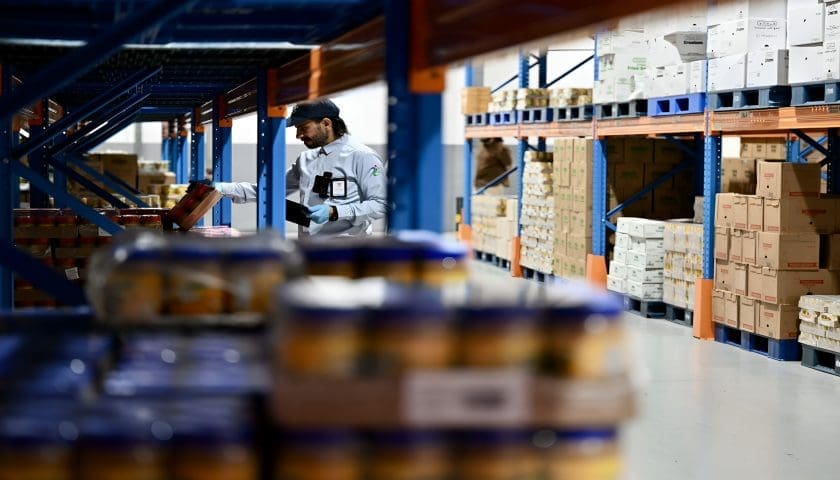
SAUDI ARABIA – The Saudi Food and Drug Authority (SFDA) has intensified its proactive inspection efforts, conducting over 1,329 field visits to food, pharmaceutical, and medical device warehouses in the Makkah (Mecca) and Madinah regions, ahead of the Hajj season 2025.
SFDA inspection teams have since identified several warehouses that were non-compliant with approved technical requirements. This has seen the shutting down of 44 warehouses, recording of 349 violations, and appropriate regulatory actions taken against violators.
Notably, high compliance rates have been observed in many storage facilities—an outcome attributed to SFDA’s continued inspection campaigns and its targeted awareness initiatives.
In line with its commitment to ensuring the safety and quality of products during the Hajj season, the SFDA has also launched a multilingual awareness campaign.
The campaign provides establishments with awareness materials outlining key regulatory requirements for handling products, to enhance compliance and ensure product safety for pilgrims.
The SFDA plays a pivotal role during the Hajj season in strengthening regulatory compliance, safeguarding product integrity at the holy sites, and minimizing potential health risks to pilgrims.
Digital transformation of regulatory services
Further strengthening its oversight capabilities, the SFDA officially launched the third and final phase of its digital transformation strategy, effective 25 May 2025.
This phase marks the full integration of food-related regulatory services into the Unified Electronic System (Ghad) and FASEH platforms.
Ghad and FASEH (Electronic Clearance System) are two integrated electronic platforms developed by the SFDA to manage food, drug, cosmetic, and medical device regulations in Saudi Arabia.
GHAD focuses on registration and approval, while FASEH handles import/export clearance and conformity assessment.
The final transition phase includes registration, listing of food products and export services via the Ghad platform, and import and clearance services via the FASEH platform.
To ensure full access to services, all companies must review and update products migrated from the Food Registration and Certification System (FRCS), complete the five mandatory fields for each product, and deactivate any discontinued products.
Clients are reminded to create a Ghad account for those not yet registered, migrate all registered product data from FRCS to Ghad, and register any products not yet listed, including fresh fruits and vegetables.
All Certificates of Conformity (COCs) for food products must therefore be submitted through the FASEH Food System, as of 25 May 2025, as manual submissions will no longer be accepted.
This move underscores the authority’s broader strategy to modernize regulatory oversight with enhanced digital systems, improve transparency, and streamline service delivery and customer experience across the food sector.
Sign up to HERE receive our email newsletters with the latest news and insights from Africa and around the world, and follow us on our WhatsApp channel for updates.