South Africa seeks broader meat export access in Asia
Pretoria targets new markets in Southeast Asia to grow its meat export revenue.
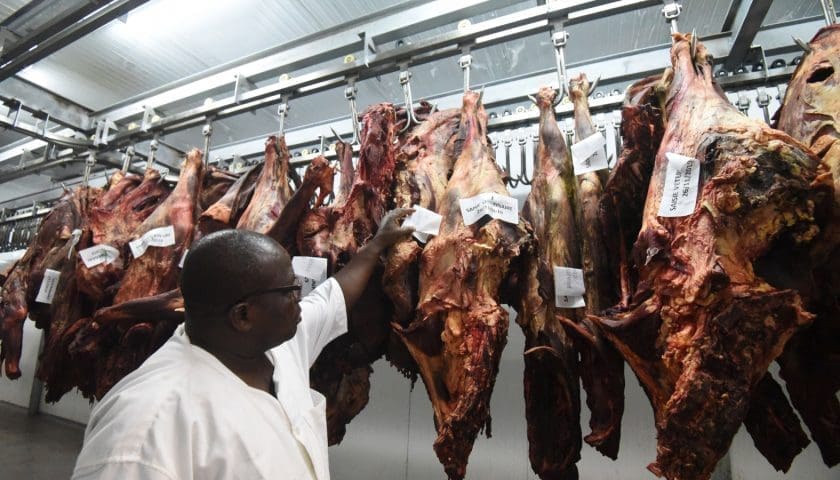
SOUTH AFRICA – South Africa is moving to widen its footprint in the Asian meat market as part of ongoing efforts to diversify export destinations for its livestock sector.
The country, already Africa’s leading meat exporter, currently earns more than half of its overseas meat revenue from Asian buyers, but officials say there is room to grow further.
A high-level delegation led by Agriculture Minister John Steenhuisen and private sector players, including Beefmaster Group Chairman Louw van Reenen, joined President Cyril Ramaphosa during his recent visit to Vietnam and Malaysia between October 23 and 28.
The visit, which coincided with the 47th ASEAN Summit in Kuala Lumpur, aimed to strengthen South Africa’s trade relations with Asian economies and open doors for its beef, pork, and lamb exports.
According to reports from South African media, discussions are underway with authorities in several Southeast Asian countries such as Indonesia, Vietnam, and Singapore to fast-track access for local meat products.
Officials say these negotiations are part of Pretoria’s wider plan to expand the country’s agricultural export base and reduce reliance on traditional markets.
Mr. van Reenen noted that the meat industry has been actively pursuing these opportunities and that significant progress has been made in talks so far.
He added that the region’s estimated population of 700 million people presents substantial growth potential for South African producers once trade barriers are lifted.
“Even securing access to just one of these markets would make a noticeable difference to the industry and the broader economy,” he said, emphasizing the scale of opportunity available.
Industry data show that South Africa exported meat products worth nearly US$409.6 million in 2023, with close to 55% of that income generated from Asian countries.
Expanding Market Prospects
Analysts say gaining entry into Southeast Asian markets would help stabilize South Africa’s meat export sector amid fluctuating demand in traditional destinations.
They point out that the diversification push also reflects the government’s broader strategy to attract investment and create jobs within the livestock value chain.
While no formal trade agreements have been finalized yet, ongoing negotiations signal the government’s intent to secure stronger positions in Asia’s fast-growing protein markets.
If successful, the initiative could enhance the competitiveness of South African meat on the global stage and provide fresh momentum for the country’s export-driven agricultural economy.
Sign up HERE to receive our email newsletters with the latest news and insights from Africa and around the world, and follow us on our WhatsApp channel for updates.