South African fishers fear delays following another ministerial change
Concerns grow over limited engagement with fishers amid political reshuffles.
SOUTH AFRICA – President Cyril Ramaphosa removed Dr Dion George as minister of forestry, fisheries and the environment on 12 November 2025, appointing DA national spokesperson Willie Aucamp in his place following claims of underperformance by Agriculture Minister John Steenhuisen.
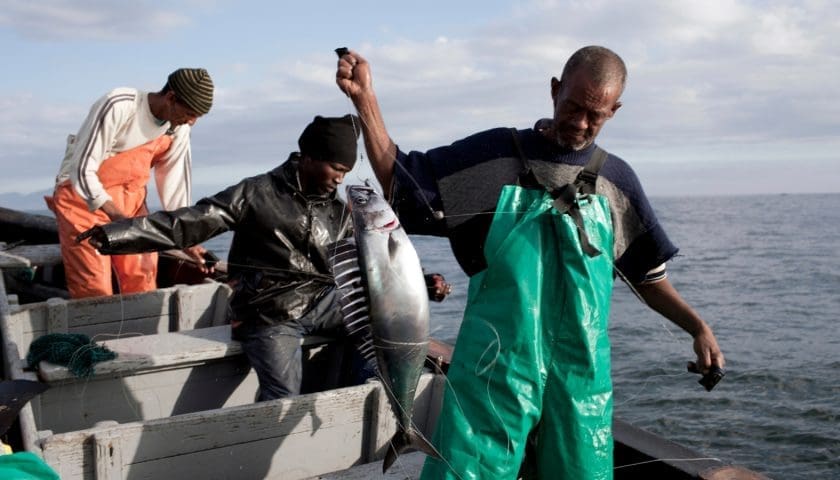
Under George’s tenure, fisheries management saw minimal interaction with fishing communities, despite repeated requests from organisations such as Coastal Links South Africa representing traditional fishers along the coast.
Over 60,000 South Africans depend on fish for their income, nutrition and cultural practices, yet government engagement with these communities has been inconsistent.
In 2024, Masifundise and Coastal Links hosted the South African Fisher People’s Tribunal to highlight human rights concerns, review decades of advocacy, and recognise the role of small-scale fishers in food security.
Later that year, the Fisher People’s Conference built on the tribunal’s findings, recommending stronger protection of fishers’ rights, yet George and his department did not attend or respond to these proposals.
He frequently issued announcements on fisheries without consulting communities, creating a disconnect between policy decisions and the sector’s realities.
Small-scale fishers have historically managed South Africa’s coastal and inland waters but now confront overlapping threats from policy failures, extractive industries, conservation practices and climate events.
The Small-Scale Fisheries Policy has been criticised for ignoring customary rights, imposing a cooperative business model, and failing to uphold a human rights approach within communities.
Fishers have requested control over species selection, flexible sea days, faster permit issuance and co-management systems that allow for accountability in law enforcement.
Oil and gas exploration has restricted traditional fishing areas and degraded habitats, while appeals against these developments are often rejected, intensifying economic vulnerability.
Protected areas continue to exclude fishers from ancestral waters, criminalising the exercise of customary practices, and inland fishers face similar limitations in rivers and dams.
Climate disasters such as the 2022 KwaZulu-Natal floods have exposed water contamination, destroyed infrastructure, and heightened health risks, especially for women reliant on safe catches for income and nutrition.
The Fisher People’s Tribunal presented an opportunity for government officials to engage directly with small-scale fishers, yet George’s absence prevented the establishment of trust and meaningful dialogue.
With the new ministerial appointment, fishers fear further delays in reviewing the Marine Living Resources Act of 1998, a process intended to correct historical inequalities and ensure fair allocation of resources.
Observers note that frequent leadership changes in this department risk undermining the expertise needed to manage the sector effectively, raising concerns about prioritising commercial interests over human rights and community knowledge.
Sign up HERE to receive our email newsletters with the latest news and insights from Africa and around the world, and follow us on our WhatsApp channel for updates.