

South Africa’s agricultural trade surplus rises to US$2.1B
The report’s authors emphasized the need to improve port and rail performance, address phytosanitary market-access barriers, and diversify export destinations to sustain growth.
SOUTH AFRICA – South Africa’s agricultural sector recorded a trade surplus of US$2.14 billion in the second quarter of 2026, up 11.6% on the same period last year, according to the latest quarterly report, by AgriCulture South Africa (AgriSA) and the Agricultural Business Chamber (Agbiz).
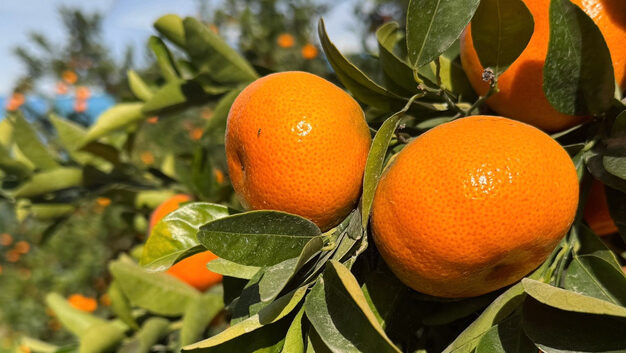
Total agricultural exports reached US$4.12 billion, up 9.1% year on year, while imports rose 6.4% to US$1.98 billion. Horticulture accounted for 51.3% of agricultural exports, supported by the start of the citrus export season and increased lemon shipments.
For exporters, the quarterly market shifts are more revealing than the headline surplus. Africa and Europe together accounted for 70.7% of exports, but growth came from Asia and the Middle East: shipments to Vietnam increased by 153% year on year, Saudi Arabia by 90%, and China by 30%, the latter supported by zero-tariff access for African agricultural exports to China from 1 May 2026.
Meanwhile, exports to the United States fell 28%, partly because shipments were brought forward into the first quarter ahead of tariff changes, and exports to the UAE decreased 26%.
That pattern suggests South African exporters are actively rebalancing away from markets where trade terms have become uncertain. The US decline reflects timing rather than a loss of competitiveness, but the UAE drop, alongside the surge into China, Vietnam and Saudi Arabia, indicates that diversification is already occurring at the shipment level rather than remaining a policy aspiration.
However, logistics is the constraint on sustaining that growth. Agbiz Fruit Manager Wolfe Braude noted that port logistics inefficiencies remained a concern as citrus exports increased, while apple and pear shipments continued to grow.
For perishable fruit, port delays translate directly into quality loss and rejected consignments, meaning the surplus figure understates the cost of inefficiency: exporters absorb losses that do not appear in trade value until they are written off.
The report’s authors emphasized the need to improve port and rail performance, address phytosanitary market-access barriers, and diversify export destinations to sustain growth.
For investors, the quarter confirms that South Africa’s agricultural export growth is real but fragile. The surplus is expanding, horticulture is leading, and new markets are absorbing volume. Whether that continues depends less on production than on improvements in port and rail performance before the next peak season.
Sign up HERE to receive our email newsletters with the latest news and insights from Africa and around the world, and follow us on our WhatsApp channel for updates.