Skip to content


Published
GHANA- Panelists at the Graphic Business breakfast meeting held on June 25 urged the government to spearhead efforts that would positively impact food inflation through policy coherence, collaboration, and coordination, pivoted on mitigating the current agricultural value chain challenges.
Mr Kwesi Korboe, CEO of Ghana Incentive-based Risk Sharing for Agric Lending (GIRSAL), cited the recently released Ghana Trade Report, which revealed the country imported GHS26.7 billion (US$1.7 billion) worth of food in 2023. He also highlighted food inflation, which was 22.6% by the end of Q1 2024.
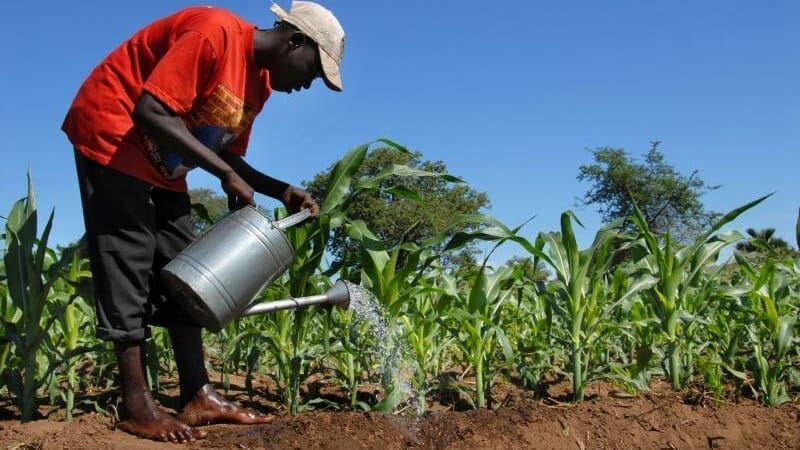
He reiterated the agricultural sector’s importance in reducing food inflation and bolstering food security. He emphasized the need for the government to encourage the local production of agricultural products, as this would go a long way in improving access to food and setting the country on the path towards net agricultural exports.
Korboe said, “Agriculture is a multisectoral venture, requiring access to road networks, access to land, water, and finance, so if we want to see Ghana like how Brazil got to where they are today, we’ll need policy coherence, collaboration, and coordination.”
He asserted that the government needs to view agriculture as an industry that addresses various social needs. Therefore, the government should lead policy interventions that promote research, improve the financial environment, and address issues surrounding climate change.
The event also featured calls from private sector players to be included In the policy formulation process.
Nana Yaw Sarpong Siriboe voted 2022 National Best Farmer at the 38th National Farmers’ Day celebrations, urged the government to create an enabling environment for the private sector.
He said, “Agriculture is not a farmer’s venture; it’s from the farm to the table. Therefore, the government must create an enabling environment for private sector participation along the value chain.”
However, he praised the second phase of the Planting for Food and Jobs (PFJ) initiative, saying it would enhance food production, increase access to financial services, and reduce food inflation.
Some stakeholders also called for the government to implement subsidies and other strategies to reduce the cost of farm inputs.
Liked this article? Subscribe to Food Business Africa News, our regular email newsletters with the latest news insights from Africa and the World’s food and agro industry. HERE
No related posts.
We use cookies to improve your experience on our site. By using our site, you consent to cookies.
Manage your cookie preferences below:
Essential cookies enable basic functions and are necessary for the proper function of the website.
These cookies are needed for adding comments on this website.
Google's current Sign in with Google client library. It renders the Google sign-in button, or the One Tap prompt, so visitors can log in to your site with their Google account. It replaces the older Google Sign-In platform library.
Service URL: policies.google.com (opens in a new window)
Google Tag Manager simplifies the management of marketing tags on your website without code changes.
Statistics cookies collect information anonymously. This information helps us understand how visitors use our website.
Google Analytics is a powerful tool that tracks and analyzes website traffic for informed marketing decisions.
Service URL: policies.google.com (opens in a new window)
WPMU DEV Analytics is the visitor statistics feature of the WPMU DEV Dashboard plugin. It reports traffic and visitor behavior inside The Hub using a Matomo analytics instance hosted by WPMU DEV.
Service URL: wpmudev.com (opens in a new window)
Marketing cookies are used to follow visitors to websites. The intention is to show ads that are relevant and engaging to the individual user.
AddToAny provides share and follow buttons that let visitors post your pages to social networks, messaging apps, and bookmarking services.
Service URL: www.addtoany.com (opens in a new window)