
Tamil Nadu curbs food safety risks with one year ban on raw egg mayonnaise
This action was taken after the Tamil Nadu Food Safety and Drug Administration Department noted an increased risk of salmonella infections linked to raw eggs in mayonnaise.
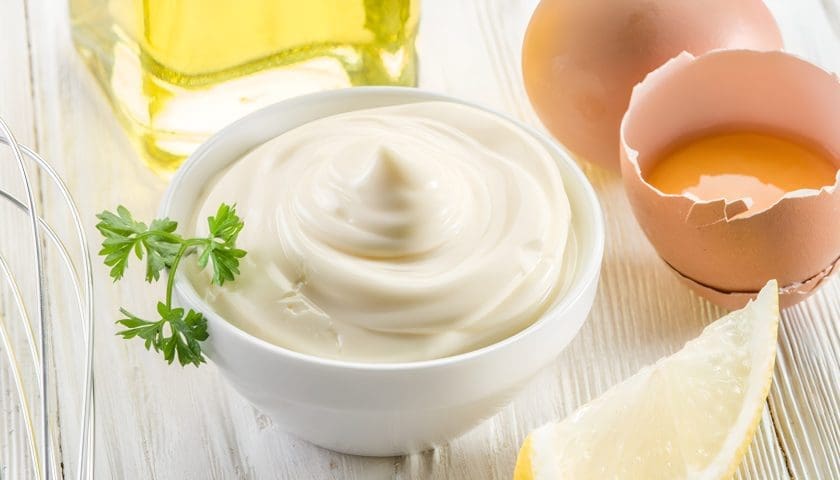
INDIA – Tamil Nadu has moved to strengthen food safety with a one year ban prohibiting the manufacture, packaging, storage, distribution and sale of mayonnaise made using raw eggs.
The ban, effective April 8, was implemented under Section 30(2)(a) of the Food Safety and Standards Act, 2006, which authorizes the food safety commissioner to restrict any food item for up to one year.
This action was taken after the Tamil Nadu Food Safety and Drug Administration Department noted an increased risk of salmonella infections linked to raw eggs in mayonnaise.
“It has come to the notice that number of food business operators use raw egg for preparation of mayonnaise, improper preparation and storage facilitates contamination by microorganisms which creates public health risk particularly by Salmonella typhimurium, Salmonella enteritidis, Escherichia coli and Listeria monocytogenes,” a gazette notification issued by R Lalvena, Principal Secretary / Commissioner of Food Safety, stated.
Industry professionals remarks
Bharathi Kumar, Dietician at Fortis Hospital, highlighted that Salmonella bacteria are typically found in the intestines of animals and birds, and eggs can become contaminated either through the shell or internally before the shell formation.
“When raw eggs are used in foods like mayonnaise without any cooking process to kill the bacteria, they become a direct route for infection. Unlike cooked foods, which reach high temperatures that destroy harmful microbes, raw egg-based products carry a much higher risk of bacterial survival and growth,” Dr Bharathi said.
She added that mayonnaise is often made in large batches and stored at room temperature in many commercial settings, further increasing the chance for bacteria to multiply.
She stressed that infections can spread not just through consumption, but also through cross-contamination, if surfaces or utensils used with raw-egg mayo are not well cleaned.
Dr Rohit Mehtani, Senior Consultant in Digestive Diseases, Gastroenterology and Hepatology at Amrita Hospital, Faridabad believes that in addition to microbial contamination, raw egg mayonnaise poses even greater concerns.
“Microbial contamination from raw egg mayonnaise, especially Salmonella or Listeria monocytogenes, is a valid concern, especially in unregulated eateries, but such cases are rare in proportion to the more chronic damage these condiments cause to the liver and metabolic system,” he said.
He highlighted that large commercial brands follow safety standards that minimise bacterial risks in mayonnaise production, and added that beyond banning their use, a more impactful intervention would be public education on the long-term metabolic harms of high-fat, high-calorie processed foods.
“Most commercial mayonnaise brands in India use pasteurised eggs and maintain safe pH levels, which greatly reduce the risk of bacterial growth… Banning raw egg mayonnaise may reduce acute food poisoning incidents. However, a more impactful intervention would be public education on the long-term metabolic harms of high-fat, high-calorie processed foods,” he added.
Similar measures by other states
Tamil Nadu’s decision mirrors similar actions taken by other states in response to food safety concerns involving mayonnaise.
In January, 2023, the Kerala government banned egg-based mayonnaise in all hotels and food joints following a series of food poisoning cases across the state.
The ban came after incidents including the death of a nurse in Kottayam medical college hospital after reportedly consuming al faham, an Arabic chicken dish served with mayonnaise, and the hospitalization of several students in a school in Pathanamthitta after consuming shawarma, usually served with mayonnaise.
In 2024, Telangana introduced similar restrictions for one year after a 31-year-old woman died and 15 others in Hyderabad, fell ill from consuming ‘momos’, usually served with mayonnaise.
Sign up HERE to receive our email newsletters with the latest news and insights from Africa and around the world, and follow us on our WhatsApp channel for updates.