Tanzania launches five-year US$117M project to modernize its fishing sector
The World Bank-backed project seeks to upgrade infrastructure and expand coastal livelihoods.
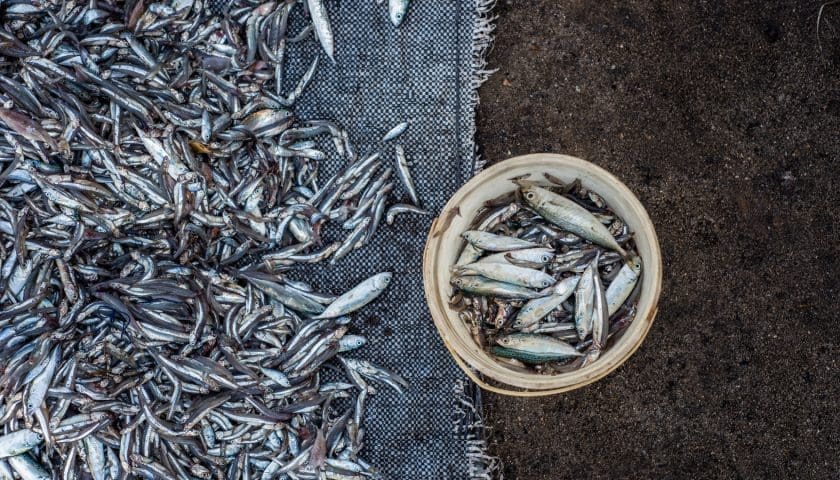
TANZANIA – The Tanzanian government has initiated a five-year plan valued at US$117 million to overhaul the fisheries and aquaculture sector, aiming to address long-standing gaps in coastal production systems.
Although the fishing industry currently contributes 1.8% to national GDP and provides 10% of foreign exchange inflows, officials argue that the sector’s output remains far below its potential.
The Ministry of Livestock and Fisheries announced the start of the Tanzania Scaling-Up Sustainable Marine Fisheries and Aquaculture Management project after confirming collaboration with the World Bank.
TASFAM, which will run from 2025 to 2030, will operate across 17 coastal districts and will channel funds into building new fish markets, installing processing facilities, and improving equipment for small-scale fishing communities.
The program also seeks to expand aquaculture activities by supporting the cultivation of seaweed and sea cucumbers while purchasing a marine research vessel to improve monitoring and resource management.
Permanent Secretary Agnes Meena said the initiative is tailored to benefit more than 300 seaweed and marine farming groups, noting that it is intended to increase incomes for local enterprises through better practices and infrastructure.
She added that the project is structured to strengthen coastal livelihoods while aligning with the country’s aspirations for a stronger blue economy.
Sector potential and challenges
Government data shows that Tanzania can extract more than 4 million tonnes of fish annually without undermining stock regeneration, yet actual catches remain significantly lower.
FAO statistics indicate that the country landed 604,791 tonnes of fish in 2023, with aquaculture accounting for about one-fifth of the total.
This gap, officials say, is partly due to limited investment in aquaculture, weak regulation, inadequate storage and processing facilities, and fragmented market access.
Because of these persistent obstacles, authorities are positioning TASFAM as a test of whether targeted interventions can help unlock unused production capacity.
However, the government acknowledges that the project’s impact will depend on how effectively local administrations, producers, and industry stakeholders adopt the new systems.
As implementation begins, expectations remain measured as policymakers wait to see whether the initiative can shift the fisheries and aquaculture sector toward higher output and more stable community livelihoods.
Sign up HERE to receive our email newsletters with the latest news and insights from Africa and around the world, and follow us on our WhatsApp channel for updates.