
Telcar Cocoa halts processing amid Cameroon bean quality crisis
Cameroon’s cocoa sector faces mounting pressure as Telcar Cocoa suspends processing operations to address falling bean standards.
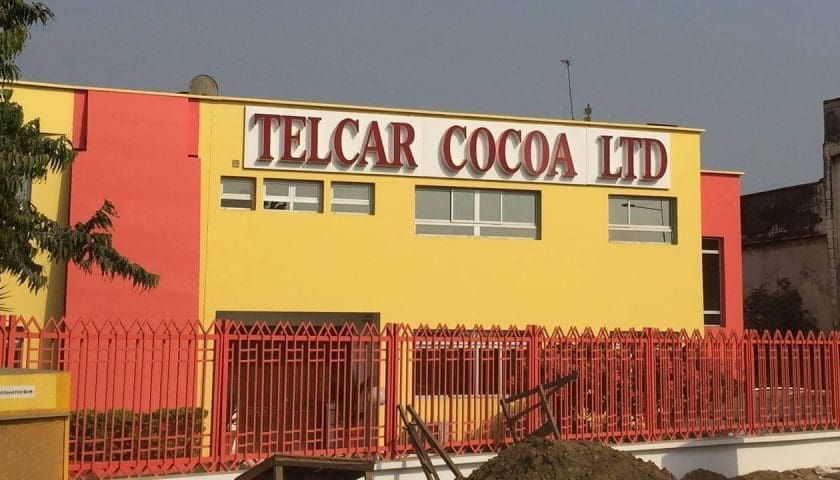
CAMEROON – Telcar Cocoa Chief Executive Officer Kate Fotso has suspended the company’s cocoa processing operations, citing a severe bean quality crisis that threatens Cameroon’s global reputation and output.
Fotso explained that the suspension is part of a broader initiative to strengthen the cocoa value chain through farmer training, improved post-harvest handling, and enhanced logistics. She emphasized that operations will resume only when beans meet export-grade specifications.
Telcar Cocoa has long been a leading player in Cameroon’s cocoa industry, accounting for about 35 percent of national cocoa exports in the 2023–2024 season with over 100,000 tonnes of beans.
However, the company’s market position weakened after its partnership with multinational trader Cargill ended in 2022, reducing Telcar’s share of national exports to about 15.7 percent (30,497 tonnes) in 2024–2025.
While Telcar has raised concerns over low-fat content, high acidity, and debris contamination, other major exporters in Cameroon have not suspended their operations. Nonetheless, industry reports confirm rising quality rejections and discounts of up to $200 per tonne compared with Ivorian beans.
“This isn’t about punishing farmers. It’s about protecting Cameroon’s reputation. We cannot sell what the world won’t buy,” Fotso stated.
Agricultural analyst Martin Ekani described Telcar’s move as a warning for the entire cocoa sector, cautioning that Cameroon risks losing buyers to competitors if standards are not improved.
In response to industry concerns, the government has rolled out quality premiums worth FCFA 6 billion (US$9.33 million) in bonus payments to reward farmers for better fermentation and drying practices.
Cameroon remains the world’s fifth-largest cocoa producer, with annual output between 180,000 and 300,000 tonnes. Cocoa contributes nearly 40 percent of the country’s non-oil export revenues.
The development follows similar challenges in Ivory Coast, where Cargill recently suspended cocoa grinding operations due to declining bean quality.
Mid-crop harvests in the region are exhibiting critically low fat content, high acidity, and excessive waste, leading to a 31.2 percent year-on-year drop in grinding activity in July 2025.
Sign up HERE to receive our email newsletters with the latest news and insights from Africa and around the world, and follow us on our WhatsApp channel for updates.