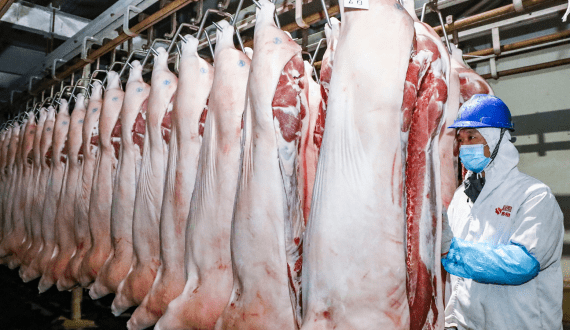

Thailand’s poultry industry gains ground amid Brazil’s avian flu setback
Lower feed costs and import bans on Brazil open opportunities for Thai chicken exporters
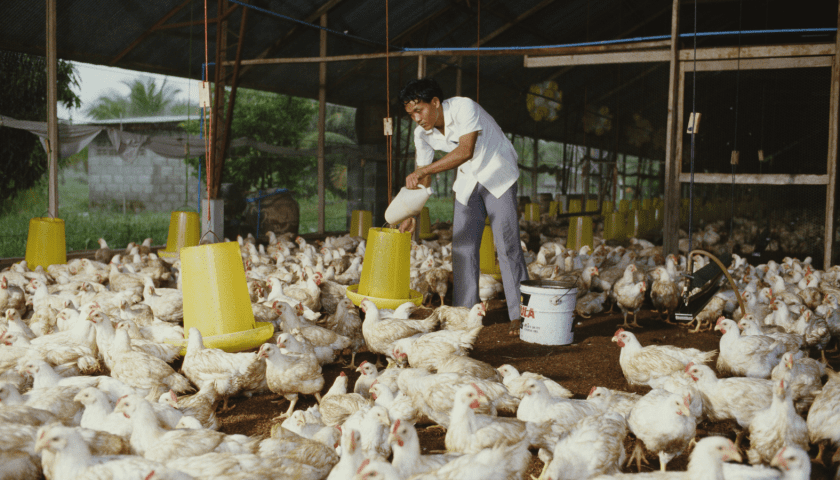
THAILAND – Thailand’s chicken meat industry is seeing a potential rise in global demand, as a bird flu outbreak in Brazil disrupts supply from the world’s top poultry exporter.
Brazil recently began a 28-day surveillance period in a bid to regain disease-free status after cases of avian flu were confirmed at a poultry farm in the southern city of Montenegro.
As a result, key markets including China and the European Union have temporarily suspended imports of Brazilian poultry, creating a gap that Thai exporters may be able to fill.
Japan has also halted chicken imports from the affected Brazilian region, further expanding the opportunity for Thailand to increase its market share.
Prasit Boondoungprasert, CEO of Charoen Pokphand Foods, said the current global market conditions—characterized by strong prices and reduced production costs—are working in Thailand’s favor.
However, the impact of Brazil’s supply disruption depends on the length of the outbreak and the duration of related import restrictions, according to GFPT’s investor relations manager, Veera Titayangkaruvong.
Veera noted that if the ban lasts under three to six months, the effect may be limited, but any extension beyond that period could present additional demand for Thai producers.
The cost of essential poultry feed ingredients like corn and soy meal has dropped by approximately 30% over the past few years, reducing expenses across the board.
Thai poultry firms such as CPF and GFPT, which operate fully integrated supply chains from feed production to meat processing, are in a strong position to take advantage of these lower costs.
Producers Respond to Rising Demand
With global poultry prices on the rise—U.S. prices alone have increased by 3% in May—local farmers in Thailand are planning to scale up operations.
Pongsak Agricultural owner Veerapong Panjawattanakul said he expects to boost production by 5% to meet demand.
Meanwhile, in provinces like Nakhon Pathom, previously inactive chicken farms are being listed for sale or lease online, suggesting a return to production could be on the horizon.
According to Krungsri Research, up to 1.5 million metric tons of Brazil’s poultry exports are at risk, and Thailand could potentially supply between 300,000 to 400,000 metric tons of that shortfall.
This would translate to an estimated revenue of up to US$1.7 billion (USD 1.7 billion) for Thai exporters.
More than half of Thailand’s chicken exports are processed products, in contrast to Brazil’s 2.5%, allowing Thai producers to cater to the growing demand for ready-to-eat meals.
Kukrit Arepagorn of the Thai Broiler Processing Exporters Association said the country had initially projected a 2% increase in poultry exports this year, but the current situation could push that figure higher.
Still, he emphasized that the long-term effect will depend on whether restrictions on Brazilian poultry remain in place.
Sign up HERE to receive our email newsletters with the latest news and insights from Africa and around the world, and follow us on our WhatsApp channel for updates.