

Togo steps up training to curb animal flu outbreaks
New training workshop launched amid growing poultry production; national output projected to exceed 41 million heads in 2025.
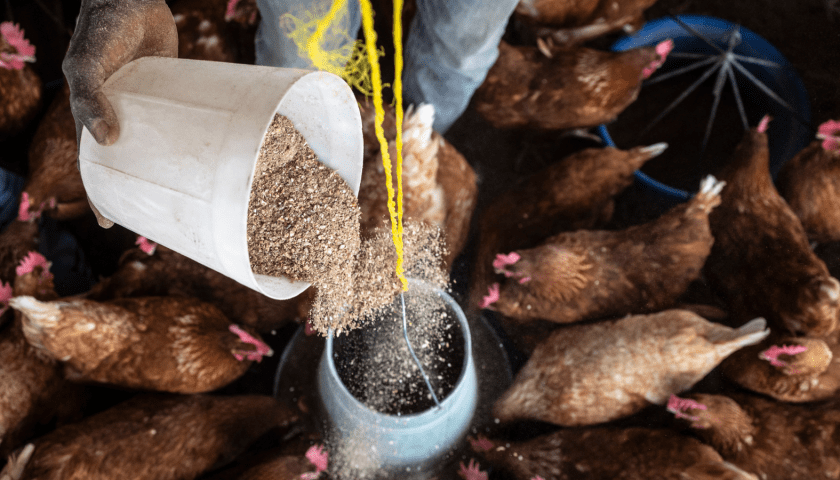
TOGO – Togolese authorities have launched a new training initiative aimed at improving the country’s capacity to respond to avian and swine flu outbreaks.
The program, which began last week in Kpalimé, brings together animal health professionals for a multi-phase course focused on outbreak prevention and control.
Supported by the Food and Agriculture Organization (FAO), the training is part of the In-Service Applied Veterinary Epidemiology Training (ISAVET) program designed to reinforce local veterinary systems.
According to Dr. Lamboni Matéyendou, Secretary-General of the Ministry in charge of Livestock, effective crisis management at the community level is essential for protecting food supplies, supporting farmer incomes, and reducing public health risks.
The training structure includes a four-week theoretical segment split into two sessions, followed by a three-month field internship where participants receive practical mentorship in their local areas.
Diwa Oyetunde, FAO’s program officer in Togo, explained that the long-term objective is to build a decentralized surveillance network capable of identifying and containing animal disease outbreaks early.
This initiative is part of a broader continental effort by the FAO to enhance veterinary epidemiology skills in Africa and other regions facing high animal disease risks.
The workshop comes shortly after new government figures showed that Togo’s poultry population reached 38.6 million birds in 2024, up from 35.7 million in 2023.
The Ministry of Economy and the Ministry of Livestock jointly reported that this growth aligns with national forecasts of 38 million for the year, reflecting an 8% increase in output.
The Plateaux region retained its position as the largest producer, contributing 13 million birds, or about 34% of total national production, up from over 12 million the previous year.
The Savanes region held steady at 8 million birds, mirroring its output in 2023 and 2022.
Other contributions came from the Central region with 6 million birds, Kara with 5 million, and the Maritime region with 4.8 million.
Looking ahead, government projections indicate the poultry sector could surpass 41 million birds in 2025 if current trends continue.
Beyond production, officials have stressed the importance of building a more resilient poultry value chain to support long-term sector growth and disease management.
Sign up HERE to receive our email newsletters with the latest news and insights from Africa and around the world, and follow us on our WhatsApp channel for updates.