
Transnet faces strike threat as wage talks break down
The United National Transport Union says its members are ready to strike after rejecting Transnet’s final wage offer.
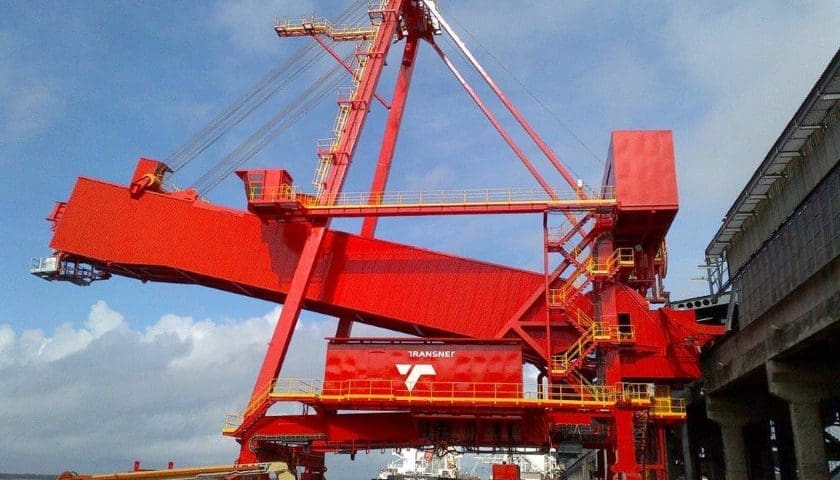
SOUTH AFRICA – The United National Transport Union (Untu), which represents over 26,000 Transnet workers, has announced a strike after wage talks broke down, threatening South Africa’s rail and port operations.
The dispute follows weeks of back-and-forth facilitated by the Commission for Conciliation, Mediation and Arbitration (CCMA). Transnet’s final proposal includes a 17.5% increase spread over three years, with a 6% raise in 2025 and 2026, and 5.5% in 2027.
Untu has rejected the deal and is demanding a 10% annual increase over the same period. It also wants guaranteed job security and a halt to any retrenchments, a condition Transnet has not accepted.
“Workers are not asking for the moon. They want fair pay and the assurance that they will still have their jobs next year,” said a union source familiar with the talks. “The offer from Transnet does not provide that.”
As of mid-May, the CCMA continues to mediate between the two sides. However, the overwhelming support for strike action within Untu points to growing frustration. Should the strike go ahead, Transnet’s operations, already under pressure, could face further delays.
This comes at a time when the company is still recovering from earlier disruptions. A strike by Untu in 2022 caused daily losses estimated at over R1 billion (US$55 million). With similar action now back on the table, exporters and industries reliant on Transnet’s services are preparing for possible fallout.
Concern in the Fresh Produce Sector
South Africa’s fruit exporters are especially worried. At the International Fresh Produce Association’s Southern Africa Conference last year, Transnet CEO Michelle Phillips acknowledged the industry’s ongoing challenges. “We need to stop the bleeding, fix the basics, and get the operations working again,” she said.
Delays in transit have had a noticeable impact. Exporters say that routes which previously took 25 days now take up to 45. “This extended transit time is now the norm, but it’s unsustainable,” one avocado exporter told attendees at the event.
Phillips has pointed to public-private partnerships as a key step in improving performance. “We want the private sector involved in our business, there’s no doubt about that,” she said, making it clear that this does not mean outright privatization.
For the fresh produce sector, Transnet has been exploring cold-chain rail options and may concession certain lines to help farmers move goods more efficiently. “We want rail to be 10% to 20% cheaper than using road transport,” Phillips noted, adding that new refrigerated train units with on-board power are part of the plan.
As wage talks remain unresolved and threats of strike action loom, South Africa’s logistics network could once again be heading into troubled waters. Stakeholders across several industries are watching the situation closely.
Sign up HERE to receive our email newsletters with the latest news and insights from Africa and around the world, and follow us on our WhatsApp channel for updates.