
Published
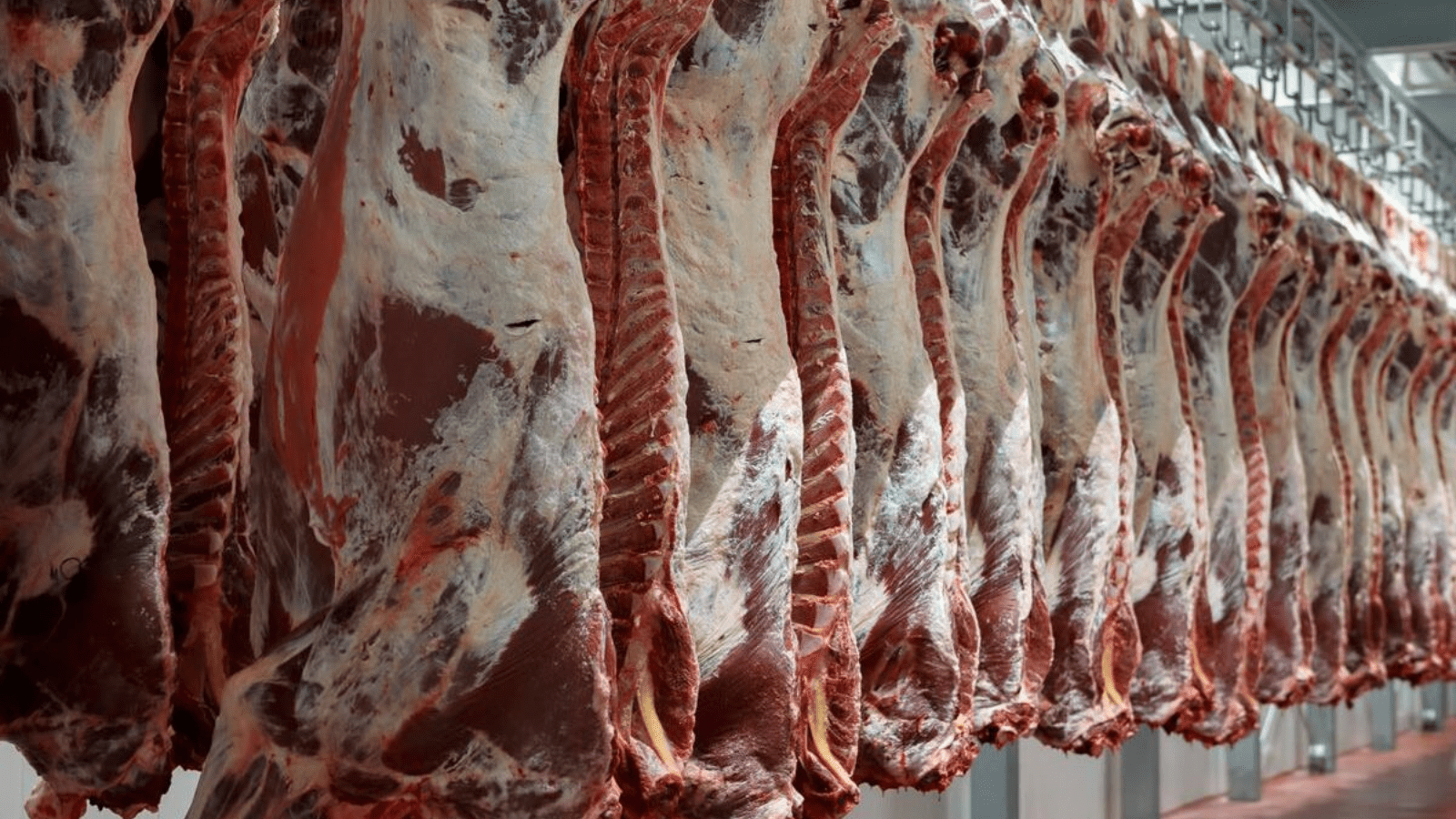
URUGUAY – Uruguay is making significant strides in its negotiations to export meat to China without tariffs, leveraging a free trade port in the island province of Hainan.
This move promises to lower production costs and expand Uruguay’s market reach within China.
Despite challenges posed by the Asian economy, Uruguay remains committed to strengthening its trade presence in China.
Hainan is on the path to becoming a free trade zone, and Uruguay is actively pursuing trade opportunities and reduced tariffs in this emerging market.
A high-level delegation, led by Uruguay’s Minister of Livestock, Agriculture, and Fisheries (MGAP), Fernando Mattos, and including International Affairs Director Adriana Lupinacci and Consul General for Southern China Martín Álvez, recently visited Hainan.
Their mission focused on exploring commercial prospects and engaging in discussions with local authorities about the Free Trade Port initiative.
Daniel Castiglioni, director of Castitrading, emphasized Uruguay’s proactive approach.
“Uruguay is among the first to commit, both at the governmental and private levels, to exporting meat to Hainan, aiming to develop a unique market position,” he stated.
During the visit, the Uruguayan delegation met with officials from the Department of Agriculture and Rural Affairs to discuss potential trade opportunities for Uruguayan agricultural products.
The delegation toured the facilities of the Sinomach company, a key player in food imports in Hainan.
A highlight of the visit was the tour of the Haikou Experimental Zone, where the delegation observed the operational aspects of the free port and the meat processing activities.
The MGAP highlighted that this pilot plan presents significant opportunities for various sectors of Uruguayan agriculture.
The visit is expected to facilitate ongoing information exchange and networking between Uruguayan companies and Chinese counterparts.
Uruguay produces approximately 600,000 tons of beef annually, with the majority being pasture-raised and grass-fed. Only about 15% of cattle are grain-finished.
Additionally, around 20,000 tons of sheep meat are marketed both domestically and internationally.
Liked this article? Sign up to receive our email newsletters with the latest news updates and insights from Africa and the World HERE
No related posts.
We use cookies to improve your experience on our site. By using our site, you consent to cookies.
Manage your cookie preferences below:
Essential cookies enable basic functions and are necessary for the proper function of the website.
These cookies are needed for adding comments on this website.
Google's current Sign in with Google client library. It renders the Google sign-in button, or the One Tap prompt, so visitors can log in to your site with their Google account. It replaces the older Google Sign-In platform library.
Service URL: policies.google.com (opens in a new window)
Google Tag Manager simplifies the management of marketing tags on your website without code changes.
Statistics cookies collect information anonymously. This information helps us understand how visitors use our website.
Google Analytics is a powerful tool that tracks and analyzes website traffic for informed marketing decisions.
Service URL: policies.google.com (opens in a new window)
WPMU DEV Analytics is the visitor statistics feature of the WPMU DEV Dashboard plugin. It reports traffic and visitor behavior inside The Hub using a Matomo analytics instance hosted by WPMU DEV.
Service URL: wpmudev.com (opens in a new window)
Marketing cookies are used to follow visitors to websites. The intention is to show ads that are relevant and engaging to the individual user.
AddToAny provides share and follow buttons that let visitors post your pages to social networks, messaging apps, and bookmarking services.
Service URL: www.addtoany.com (opens in a new window)