Skip to content


Published
USA – The United States government has allocated US$176 million to Moderna to expedite the development of an avian influenza vaccine as the H5N1 virus continues to spread among dairy cows, leading to three infections among dairy workers since March.
The funding, provided by the U.S. Biomedical Advanced Research and Development Authority, will support the completion of advanced development and testing phases for a pre-pandemic mRNA-based vaccine targeting H5N1.
Government officials revealed in a press briefing that late-stage trials for the vaccine are anticipated to commence in 2025, contingent upon the outcomes of Moderna’s ongoing phase 1 trial.
These upcoming trials will prioritize evaluating the vaccine’s safety and the immune response it triggers.
The contract with Moderna also includes provisions to hasten the development timeline if necessary, depending on an increase in human cases, case severity, or human-to-human transmission of the virus.
Robert Johnson, who directs the medical countermeasures program at the Department of Health and Human Services (HHS), mentioned that it is premature to estimate the number of doses Moderna will be able to produce.
The H5N1 virus was first detected in dairy cattle in March, and it has since affected over 130 herds across 12 states.
The scientific community is worried that the virus’s presence in poultry and dairy operations might increase the risk of it mutating and gaining the ability to spread more easily among humans, potentially triggering a pandemic.
Despite these concerns, Dawn O’Connell, Assistant Secretary for Preparedness and Response at the HHS, assured that the current risk to the general public remains low, and there is no recommendation for widespread vaccination.
However, ongoing discussions within governmental bodies are considering the potential benefits of vaccinating farm workers, although no definitive decisions have been made yet, according to Nirav Shah, Principal Deputy Director of the Centers for Disease Control and Prevention (CDC). HHS is also in talks with Pfizer about developing another mRNA vaccine for H5N1.
No related posts.
Published
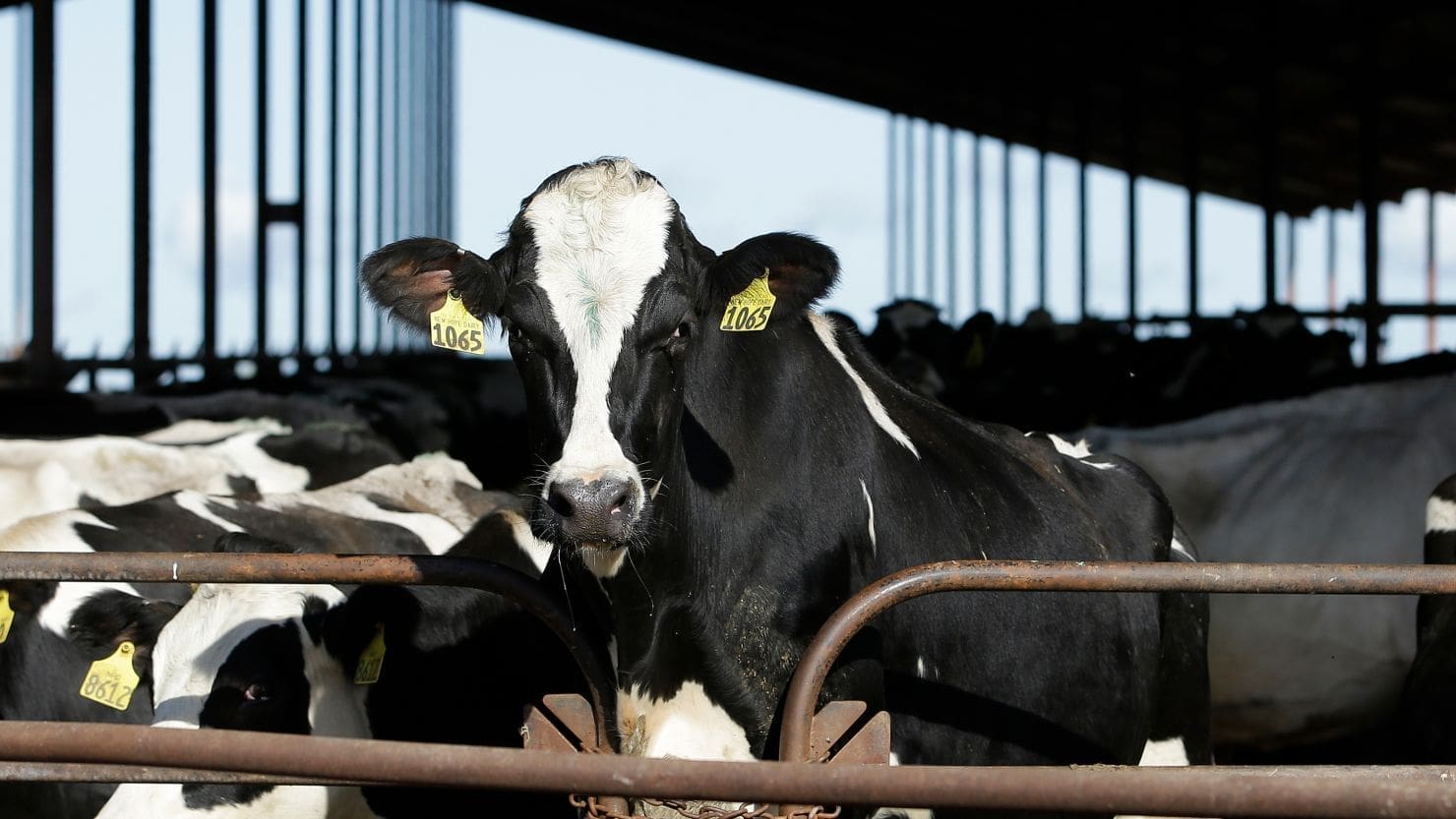
USA – The United States government has allocated US$176 million to Moderna to expedite the development of an avian influenza vaccine as the H5N1 virus continues to spread among dairy cows, leading to three infections among dairy workers since March.
The funding, provided by the U.S. Biomedical Advanced Research and Development Authority, will support the completion of advanced development and testing phases for a pre-pandemic mRNA-based vaccine targeting H5N1.
Government officials revealed in a press briefing that late-stage trials for the vaccine are anticipated to commence in 2025, contingent upon the outcomes of Moderna’s ongoing phase 1 trial.
These upcoming trials will prioritize evaluating the vaccine’s safety and the immune response it triggers.
The contract with Moderna also includes provisions to hasten the development timeline if necessary, depending on an increase in human cases, case severity, or human-to-human transmission of the virus.
Robert Johnson, who directs the medical countermeasures program at the Department of Health and Human Services (HHS), mentioned that it is premature to estimate the number of doses Moderna will be able to produce.
The H5N1 virus was first detected in dairy cattle in March, and it has since affected over 130 herds across 12 states.
The scientific community is worried that the virus’s presence in poultry and dairy operations might increase the risk of it mutating and gaining the ability to spread more easily among humans, potentially triggering a pandemic.
Despite these concerns, Dawn O’Connell, assistant secretary for preparedness and response at the HHS, assured that the current risk to the general public remains low, and there is no recommendation for widespread vaccination.
However, ongoing discussions within governmental bodies are considering the potential benefits of vaccinating farm workers, although no definitive decisions have been made yet, according to Nirav Shah, principal deputy director of the Centers for Disease Control and Prevention (CDC).
More announcements regarding H5N1 vaccines are expected soon, O’Connell added.
Her agency is also in talks with Pfizer about developing another mRNA vaccine for H5N1.
Liked this article? Subscribe to Food Business Africa News, our regular email newsletters with the latest news insights from Africa and the World’s food and agro industry. HERE
No related posts.
We use cookies to improve your experience on our site. By using our site, you consent to cookies.
Manage your cookie preferences below:
Essential cookies enable basic functions and are necessary for the proper function of the website.
These cookies are needed for adding comments on this website.
Google's current Sign in with Google client library. It renders the Google sign-in button, or the One Tap prompt, so visitors can log in to your site with their Google account. It replaces the older Google Sign-In platform library.
Service URL: policies.google.com (opens in a new window)
Google Tag Manager simplifies the management of marketing tags on your website without code changes.
Statistics cookies collect information anonymously. This information helps us understand how visitors use our website.
Google Analytics is a powerful tool that tracks and analyzes website traffic for informed marketing decisions.
Service URL: policies.google.com (opens in a new window)
WPMU DEV Analytics is the visitor statistics feature of the WPMU DEV Dashboard plugin. It reports traffic and visitor behavior inside The Hub using a Matomo analytics instance hosted by WPMU DEV.
Service URL: wpmudev.com (opens in a new window)
Marketing cookies are used to follow visitors to websites. The intention is to show ads that are relevant and engaging to the individual user.
AddToAny provides share and follow buttons that let visitors post your pages to social networks, messaging apps, and bookmarking services.
Service URL: www.addtoany.com (opens in a new window)