Published
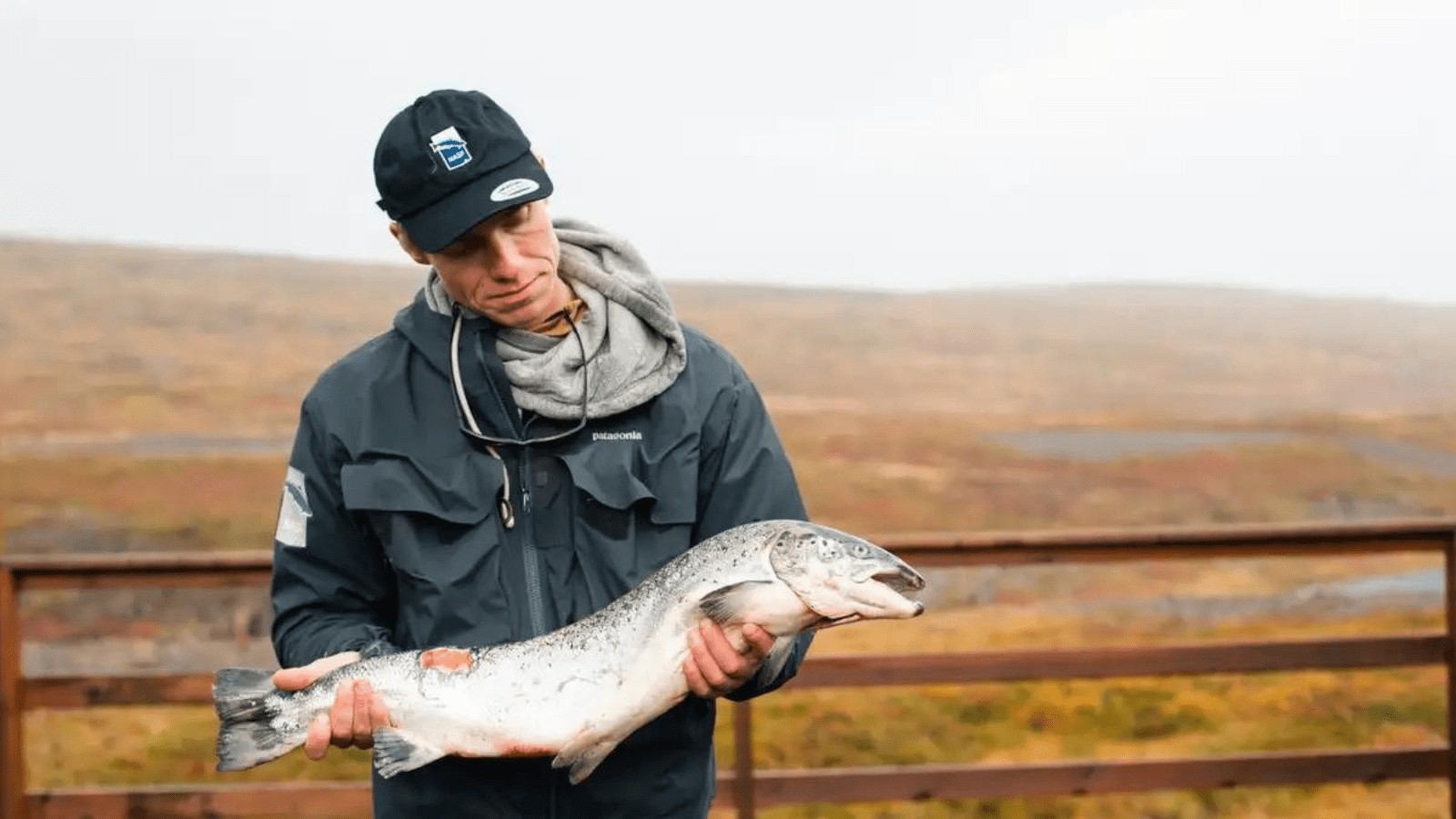
ICELAND – In Iceland, farmed salmon has surged to become the second-largest source of seafood export income, now trailing only behind the country’s long-standing leader, cod.
According to data from Fisheries Iceland, cod continues to dominate Iceland’s seafood industry, generating ISK 136 billion (US$979 million) last year, a figure that eclipses the earnings from all other fish species, whether wild-caught or farmed.
For many years, cod has been the cornerstone of Iceland’s seafood exports, consistently delivering the highest foreign revenue.
However, the landscape of Icelandic seafood exports has seen a significant shift with farmed salmon’s rise.
Traditionally, capelin held the second spot in terms of export earnings.
In 2023, however, farmed salmon generated ISK 37 billion (US$266 million), surpassing capelin, which brought in ISK 32 billion (US$230 million).
Fishing for species like capelin is inherently seasonal, with the fish only present in Icelandic waters during certain parts of the year.
This contrasts with salmon farming, which can be carried out throughout the year.
The volatility of capelin fishing has been evident in recent years, with no fishing quotas issued in 2019 or 2020, affecting its consistency as a revenue source.
From 2014 to 2021, open-net salmon farming in Iceland experienced exponential growth.
Production soared from less than 4,000 tonnes annually to nearly 45,000 tonnes.
This dramatic increase underscores the expansion and refinement of the farmed salmon industry, led by companies such as Arnarlax, Iceland’s largest producer.
The majority of Iceland’s fish farms cultivate salmon, primarily in open pens located in the fjords.
However, this practice has sparked controversy due to environmental concerns, including potential pollution, threats to native salmon populations, and animal welfare issues.
Liked this article? Sign up to receive our email newsletters with the latest news updates and insights from Africa and the World HERE
No related posts.
We use cookies to improve your experience on our site. By using our site, you consent to cookies.
Manage your cookie preferences below:
Essential cookies enable basic functions and are necessary for the proper function of the website.
These cookies are needed for adding comments on this website.
Google's current Sign in with Google client library. It renders the Google sign-in button, or the One Tap prompt, so visitors can log in to your site with their Google account. It replaces the older Google Sign-In platform library.
Service URL: policies.google.com (opens in a new window)
Google Tag Manager simplifies the management of marketing tags on your website without code changes.
Statistics cookies collect information anonymously. This information helps us understand how visitors use our website.
Google Analytics is a powerful tool that tracks and analyzes website traffic for informed marketing decisions.
Service URL: policies.google.com (opens in a new window)
WPMU DEV Analytics is the visitor statistics feature of the WPMU DEV Dashboard plugin. It reports traffic and visitor behavior inside The Hub using a Matomo analytics instance hosted by WPMU DEV.
Service URL: wpmudev.com (opens in a new window)
Marketing cookies are used to follow visitors to websites. The intention is to show ads that are relevant and engaging to the individual user.
AddToAny provides share and follow buttons that let visitors post your pages to social networks, messaging apps, and bookmarking services.
Service URL: www.addtoany.com (opens in a new window)