

Concern rises as inexperienced exporters flood Egyptian onion market
A sharp increase in new, unskilled exporters is raising concerns over the future of Egypt’s onion trade.
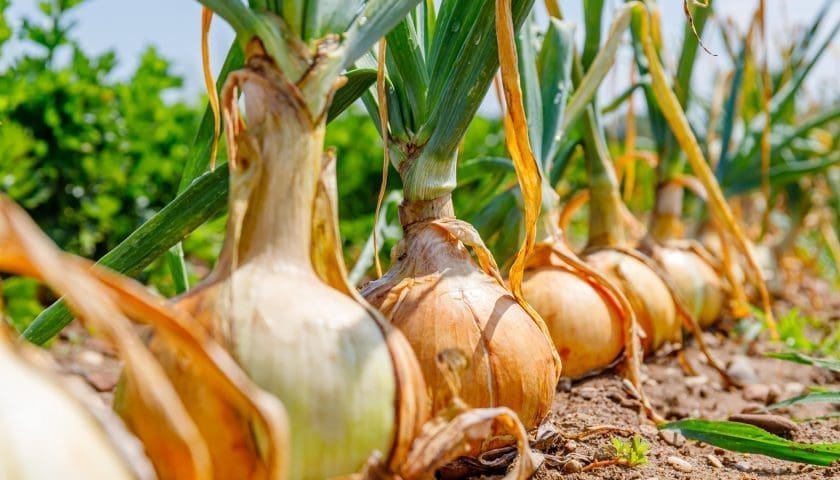
EGYPT – As Egypt’s onion season approaches, industry insiders are voicing concern about the growing number of exporters entering the trade without real knowledge or experience.
While quality and availability are expected to remain stable this season, the structure of the trade itself may be under pressure.
“Everything is looking good, and I don’t expect any problems with quality or availability,” said Adriaan van Belzen of Daily Onions.
“Last year, there were issues toward the end of the season, and it ended prematurely.” This year, however, his attention has shifted from weather or production issues to the trade’s changing dynamics.
During a recent visit to Berlin for a trade fair, van Belzen noticed a major shift. “The largest turnout came from Egyptian exporters who, in reality, have no real involvement in the onion trade,” he explained.
He warned that many of these newcomers lack a proper understanding of onion handling, storage, and international supply chains. “Each year, we see more importers bringing in a few containers of onions without having any real knowledge of the product,” he added.
“Fortunately, I don’t import grapes from Egypt. Usually, they don’t succeed with that either. My motto: Stick to what you know!”
Shifting market dynamics
Egypt remains one of the top global exporters of onions, with strong demand from Europe and the Middle East. The country’s fresh onion production is projected to reach 3.3 million metric tons by 2026, with domestic consumption also expected to rise steadily.
Exports of dried onions are growing as well, especially to Germany, the Netherlands, and the United States.
Despite these promising numbers, trade professionals fear that the flood of inexperienced players could lead to quality lapses and disruptions in the supply chain. “Onions are not just about putting them in a container and shipping them off,” a Cairo-based exporter noted. “If the product arrives damaged or of poor quality, it hurts everyone’s reputation.”
Government response and investment plans
To maintain Egypt’s position in global markets, the government is now investing in infrastructure. Efforts include improving cold-chain logistics to better preserve freshness during transport. These upgrades aim to reduce spoilage and meet the higher standards expected by foreign buyers.
Still, infrastructure alone may not be enough if the trade continues to attract businesses lacking proper training or understanding. For long-time traders like van Belzen, experience remains the most important asset in the onion business. “It’s simple,” he said. “You’ve got to know the product if you want to trade it well.”
As the 2025 season nears, the industry watches closely. The onions may be growing well in the fields, but the market around them is showing signs of strain.
Sign up HERE to receive our email newsletters with the latest news and insights from Africa and around the world, and follow us on our WhatsApp channel for updates.

