
Smithfield Foods to shift pork sales as China’s market becomes unviable
Executives say retaliatory tariffs make China an unsustainable market for US pork exports. The company sees an impact from higher raw material costs and changing consumer habits.
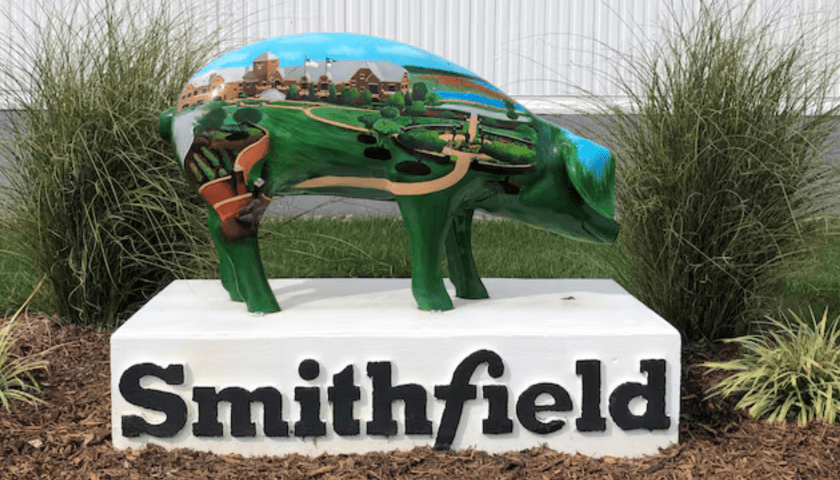
USA – China is no longer a practical destination for pork exports from Smithfield Foods, the largest US pork processor, due to steep retaliatory tariffs imposed by Beijing.
Company executives disclosed during a quarterly earnings call that the current trade environment has effectively closed off access to China, which had been a major buyer of pork variety meats like pig stomachs, hearts, and heads.
The shift comes after China raised its tariffs on US goods earlier this month, responding to US-imposed levies initiated during former President Donald Trump’s administration.
As a result of the added duties, China’s total tariff rate on American pork imports has soared to an estimated 172%, according to figures from industry sources.
Shane Smith, CEO of Smithfield Foods, said the company has had to reevaluate its market strategy in light of these barriers, as China can no longer be counted on for meaningful sales volume.
Despite the trade setback, Smithfield reported a 9.5% increase in overall sales for the first quarter ending March 30, reaching US$3.77 billion, surpassing analyst projections of US$3.62 billion based on LSEG data.
The company’s shares rose nearly 9% following the announcement, helped in part by a recovery in its hog production segment, which had recorded losses in the previous year.
Although China now accounts for only about 3% of Smithfield’s sales, the market was previously seen as a key destination for cuts not commonly consumed in the US.
Earlier in the year, Smith had expressed confidence that China would remain a strong buyer of these products even with elevated tariffs, but the latest changes have altered that view.
The company now plans to focus on alternative markets, exporting to over 30 countries, as it adapts to the new global trade dynamics.
Exports contributed around 13% of Smithfield’s total revenue in 2023, according to company data.
Meanwhile, US government statistics show that pork exports to China were valued at roughly US$1.1 billion in 2024.
Donovan Owens, who heads Smithfield’s fresh pork division, said that with China’s tariffs currently at 145%, selling into that market is no longer financially viable.
Instead, the company is targeting the next most profitable destinations for its products.
In addition to trade issues, Smithfield is also navigating rising input costs and changes in consumer purchasing patterns, with some buyers switching to lower-priced meat options.
Sign up HERE to receive our email newsletters with the latest news and insights from Africa and around the world, and follow us on our WhatsApp channel for updates.