Cameroon joins international fisheries charter to improve transparency
The government signs a global agreement targeting illegal fishing practices, giving local fishermen hope for stronger regulation of foreign trawlers.
CAMEROON – On April 29, Cameroon’s Ministry of Livestock, Fisheries, and Animal Industries officially signed onto the Global Charter for Transparency in Fisheries, marking the country’s commitment to international efforts aimed at regulating the fishing sector.
The charter seeks to enhance transparency across national fisheries operations and ensure the legality and ethicality of seafood production and trade.
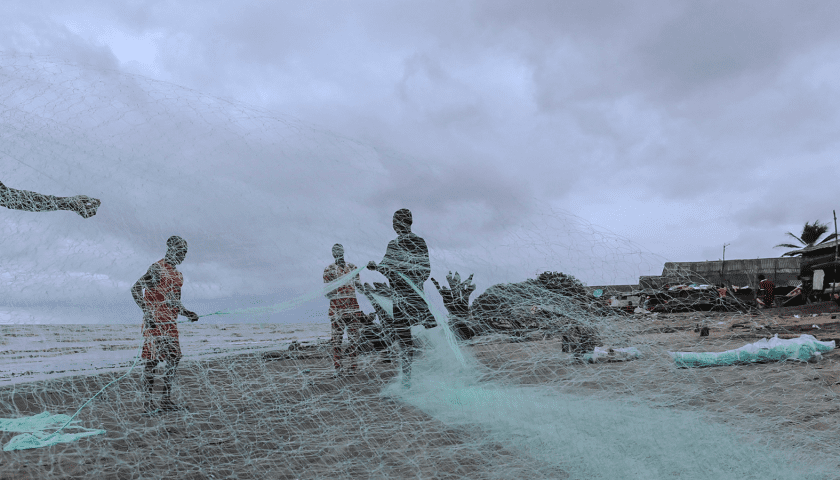
Cameroon, with a coastline stretching around 400 kilometers along the Atlantic, has more than 212,000 people involved in fishing activities, according to 2022 data from the UN’s Food and Agriculture Organization (FAO).
That same year, the country’s fish output reached nearly 300,000 tonnes, with about 84% attributed to artisanal fishing, a key source of food and income for coastal communities.
However, the sector continues to face significant risks from illegal, unreported, and unregulated (IUU) fishing, mostly carried out by foreign industrial vessels operating under unclear or suspicious conditions.
The UK-based Environmental Justice Foundation (EJF), which monitors global fisheries abuses, has raised concerns over alleged mistreatment of crew members on some of these industrial trawlers active in Cameroonian waters.
According to the investment and economic platform Investir au Cameroun, there have been recurring reports from crew alleging exploitation and abuse while working aboard these ships.
While addressing the signing, Irène Guy Mimbang, a technical advisor at the Ministry, said transparency may not solve all problems immediately but is essential in confronting IUU fishing and protecting legal actors in the sector.
She noted that Cameroon is aware the process will take time, but that authorities are ready to face the ongoing challenges involved.
Steve Trent, founder and CEO of the EJF, said the move indicates a national willingness to clean up the fishing industry, though he cautioned that implementation remains a critical step that will determine the long-term impact.
He emphasized that improved regulation could help safeguard food security and livelihoods in coastal communities, but also called attention to persistent enforcement gaps.
Despite government efforts, including publishing annual lists of vessels authorized to fish in national waters, discrepancies remain.
In a recent 2024 assessment, the EJF reported that several trawlers were operating in Cameroon’s waters in late 2023 without appearing on the official registry for that year.
According to the foundation, these vessels obtained permits only in 2024 after changing operators and names, raising questions about regulatory oversight and loopholes in the licensing process.
Sign up HERE to receive our email newsletters with the latest news and insights from Africa and around the world, and follow us on our WhatsApp channel for updates.