

Global meat prices hitting record levels as US and China demand rises – FAO
Beef and lamb imports from the US and China drive record meat prices
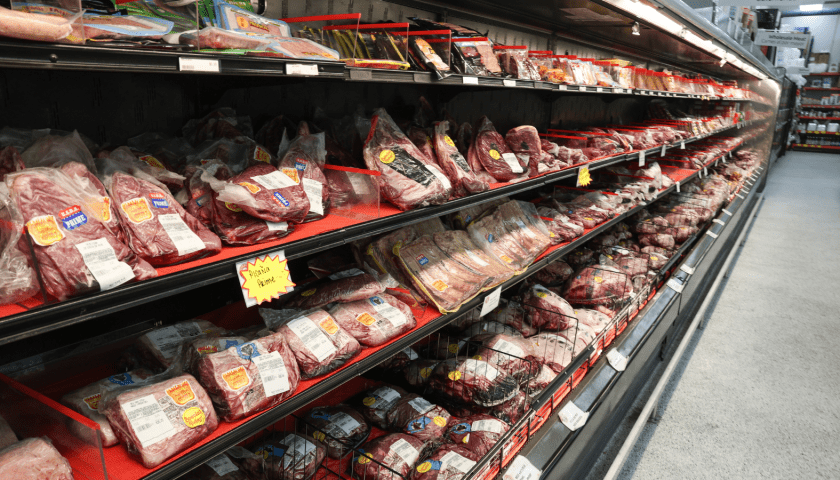
WORLD – Global meat prices are reaching unprecedented levels, with demand from the United States and China driving record highs in beef and lamb, according to new figures from the United Nations Food and Agriculture Organization (FAO).
The FAO said on Friday that its Food Price Index, which tracks monthly changes in international prices for a basket of five major food commodities, averaged 130.1 points in July, a rise of 1.6% from June.
Compared to July 2024, the index was up 7.6%, though it remains 18.8% lower than the record peak recorded in March 2022.
The FAO Meat Price Index climbed to 127.3 points in July, an increase of 1.2% from the previous month and the highest level in at least 35 years.
Year-on-year, the meat index rose 6%, driven mainly by higher prices for bovine and ovine meat.
Global beef prices reached new highs, supported by increased quotations in Australia, where strong demand from the US and China exceeded available export volumes.
The FAO noted that firm global demand also lifted prices in Brazil.
Poultry meat prices rose as well, following Brazil’s return to avian influenza-free status, which reopened some export markets.
In contrast, pig meat prices fell due to ample supplies and weaker demand, particularly within the European Union.
Vegetable oils at three-year high
The FAO Vegetable Oil Price Index reached 166.8 points in July, up 7.1% from June, marking its highest point in three years.
Palm oil prices increased on the back of strong global demand and improved competitiveness, while soy oil was supported by expectations of sustained demand from the biofuel sector in the Americas.
Sunflower oil prices also contributed to the overall rise.
Meanwhile, declines in cereal, dairy and sugar prices offset some of the gains in meat and vegetable oils.
The FAO Cereal Price Index fell by 0.8% to 106.5 points, as seasonal wheat harvests in the northern hemisphere weighed on prices, although dry conditions in parts of North America limited further declines.
The Dairy Price Index edged down 0.1% to 155.3 points, the first decrease since April 2024, with butter and milk powder prices falling, while cheese prices continued to climb on strong demand in Asia and reduced export supply from the EU.
Sugar prices dropped for the fifth month in a row, with the FAO Sugar Price Index averaging 103.3 points, 0.2% lower than in June.
The organisation attributed the decline to expectations of higher global production in the 2025/26 season, particularly in India and Thailand, though increased global import interest kept prices from falling further.
Sign up HERE to receive our email newsletters with the latest news and insights from Africa and around the world, and follow us on our WhatsApp channel for updates.

