Kenya approves import of sheep, goat genetic material from the United Kingdom
The move aims to enhance livestock productivity and sustain growing exports of sheep and goat meat.
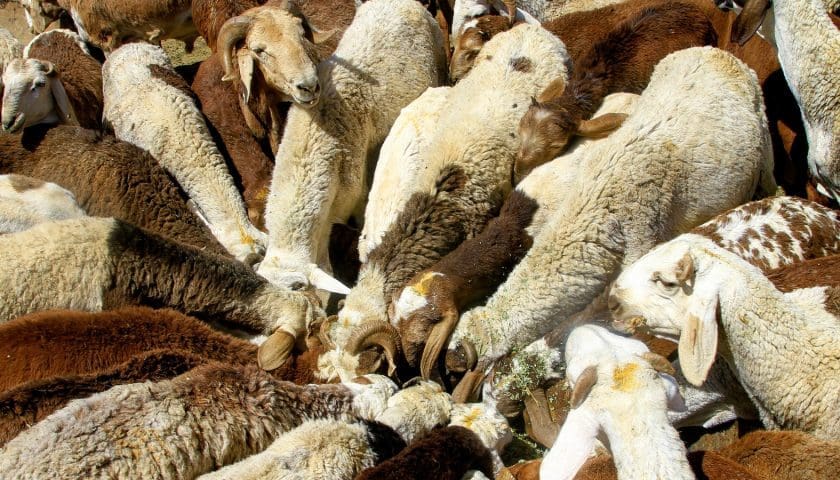
KENYA – Kenya has approved the importation of genetic material from the United Kingdom to support the development of its livestock sector, particularly in sheep and goat farming.
The agreement allows the import of embryos, live breeding animals, and gametes valued at approximately US$922,000 per year, according to a statement issued by the UK Department for Environment, Food and Rural Affairs (Defra).
This marks a new stage in trade relations between the two countries and is expected to strengthen Kenya’s livestock improvement initiatives that have gained traction in recent years.
The United Kingdom is recognized globally for its expertise in animal breeding and for sheep breeds such as Suffolk, British Friesland, and East Friesian, which are known for high fertility rates and strong yields in both meat and milk.
By sourcing breeding material from these breeds, Kenya seeks to improve the quality, resilience, and productivity of its flocks to meet increasing domestic and export demand for red meat.
According to data from the Kenya National Bureau of Statistics (KNBS), the production of goat meat in Kenya rose by 74.4 percent from 55,871 tonnes in 2022 to 97,436 tonnes in 2024, while mutton output increased by 43.5 percent over the same period, reaching 56,527 tonnes.
This growth has translated into higher exports, with figures from Trade Map showing that shipments of sheep and goat meat more than doubled in five years, moving from 12,508 tonnes in 2020 to 25,186 tonnes in 2024.
Strengthening the Breeding Base
Kenya’s decision to import breeding material shows ongoing efforts to modernize its livestock genetics and improve the efficiency of smallholder and commercial farms.
However, experts note that the country will also need to address structural challenges such as herd renewal, feed supply, and veterinary services to ensure that improved genetics translate into higher yields on the ground.
The KNBS reports that Kenya’s goat population stood at about 38.42 million in 2024, while the number of sheep reached 26.21 million, showing the scale of the sector and its importance to rural livelihoods.
Livestock farming accounts for roughly 42 percent of Kenya’s agricultural GDP, making it a key contributor to food security and export earnings.
The latest import agreement is therefore expected to play a role in sustaining the sector’s upward trend, particularly in the fast-growing sheep and goat meat value chain.
Sign up HERE to receive our email newsletters with the latest news and insights from Africa and around the world, and follow us on our WhatsApp channel for updates.