
Somalia launches new project to modernize fisheries, combat illegal fishing
The project includes enhanced monitoring systems to address illegal, unreported, and unregulated fishing.

SOMALIA – he government of Somalia, in collaboration with the Food and Agriculture Organization and the Government of Japan, has launched a large-scale fisheries development program targeting modernization of the country’s marine sector and economic improvement for coastal populations.
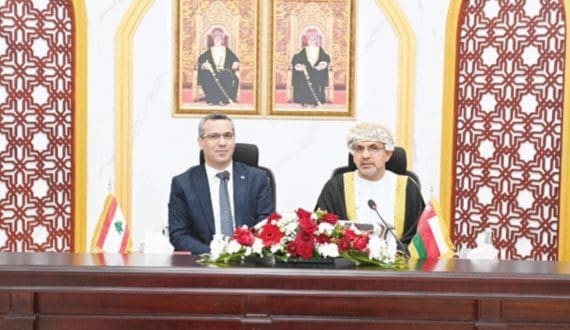
The project, introduced in Mogadishu in Decembe 2025, by the Ministry of Fisheries and Blue Economy, was formally presented by Deputy Minister Ali Ifiye Ali, who described the initiative as critical for generating employment, increasing revenue, and addressing illegal fishing along Somalia’s coast.
Central to the program is the improvement of fisheries infrastructure, combined with training and provision of equipment to coastal fishers to enhance their methods of catching, processing, and marketing seafood.
The initiative also seeks to strengthen governance over marine resources by implementing advanced monitoring and management systems aimed at detecting and preventing illegal or unregulated fishing, a practice that has long eroded national revenue and affected small-scale fishers.
Alongside resource protection, the project intends to increase the economic returns from fishing by reducing losses after harvest and providing fishers with access to better storage, processing, and market distribution channels.
Experts indicate that this effort could unlock Somalia’s largely untapped marine potential, as the sector has historically contributed minimally to the national economy due to poor infrastructure, weak regulations, and underdeveloped value chains.
Despite Somalia having one of Africa’s longest coastlines, fish consumption remains extremely low, averaging between 2.4 and 3.3 kilograms per person annually, far below the global average of roughly 19 kilograms and the African average of about 9 kilograms.
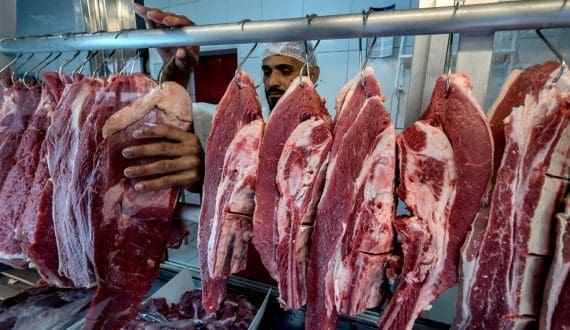
Factors contributing to low domestic consumption include underdeveloped fisheries, limited awareness, infrastructure challenges, and cultural preferences for meat over fish, although demand is growing in urban centers.
Data shows that Somalia could theoretically harvest over 200,000 metric tons of fish annually, but only around 6,000 tons were recorded in 2022, highlighting the gap between potential and actual output.
Sign up HERE to receive our email newsletters with the latest news and insights from Africa and around the world, and follow us on our WhatsApp channel for updates.