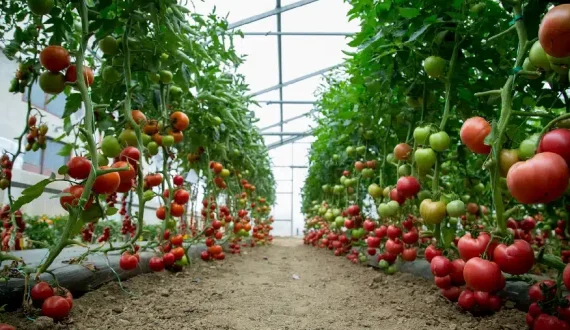
Georgia drought pushes tomato prices to US$70 per case, vendors see zero profit
The drought illustrates the fragility of food security when extreme weather impacts regional farming and local distribution networks.
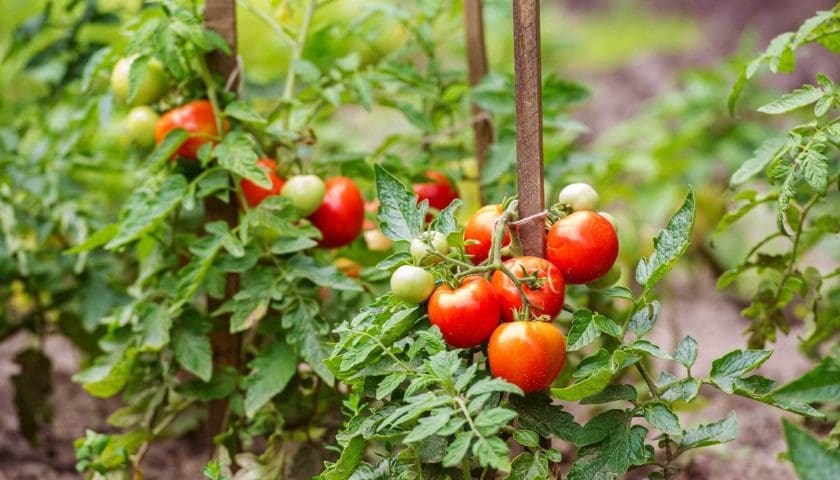
UNITED STATES – Severe drought conditions in Georgia have pushed tomato prices from under US$20 per case to approximately US$70, forcing mobile produce vendors to operate at zero profit margins.
The Georgia Environmental Protection Division has declared a Drought Response Level 1 across the state, while the USDA has expanded disaster aid to 20 additional counties.
Nicole Folkes-Johnson, co-owner of Eat Right Atlanta, a mobile farmers market serving around 5,000 families weekly, described the impact. “Since the drought, we have some farmers who are not farming anymore. They can’t do it. It’s too expensive. They’re not coming to town as often as they were coming. We’re finding many days when we just have gaps with stuff.”
Eat Right Atlanta supplies produce through pop-up markets and partnerships with hospital systems. Folkes-Johnson said the impact has been visible since late March.
“We don’t want to harm them anymore,” she said. “I really hope that this ends soon because it has been terrible, and it means we can’t do the job we need to do.”
Driver Navarro Lazarus confirmed the decline in key vegetable availability. “It has been harder to get items like carrots, corn, tomatoes, and certain key items that a lot of people want.”
For investors, Georgia’s drought-driven supply gaps could create export opportunities for producers in unaffected regions. States with surplus production could step in to supply Southern markets, potentially commanding premium pricing.
However, the crisis also highlights investment risks when profit margins disappear entirely. Folkes-Johnson noted that normal profit margins of 25% have vanished. “The last month it went to zero. It went to zero,” she said.
Additionally, the business is limiting price increases for customers despite higher costs. Co-owner Donsha Johnson added, “Even if the cost is high, sometimes we’ll bear that cost and take the hit just to get it to the customer because that’s what they’re looking for.”
The drought illustrates the fragility of food security when extreme weather impacts regional farming and local distribution networks. Farmers have ceased operations due to rising expenses, leading to a visible scarcity of staples like corn and carrots.
As a result, government disaster aid has been triggered as businesses struggle to navigate the volatile market.
Sign up HERE to receive our email newsletters with the latest news and insights from Africa and around the world, and follow us on our WhatsApp channel for updates.