

Global avocado market faces volatility as El Niño threatens yields, trade expands
This diversification strategy aims to reduce regional dependence and mitigate risks associated with concentrated export markets.
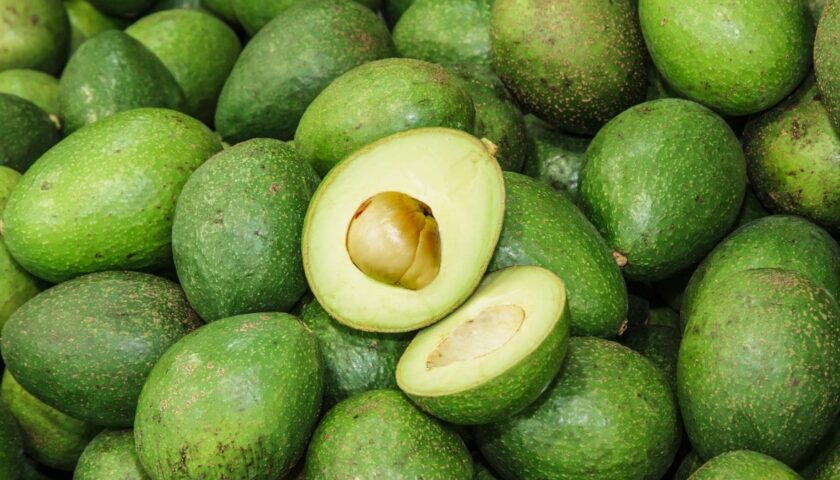
GLOBAL – The global avocado market is entering a period of significant volatility, driven by shifting weather patterns and geopolitical factors, with the impending El Niño cycle threatening to destabilize crop yields and fruit quality through 2027.
El Niño is expected to increase supply variability during the 2026/27 avocado season, affecting yields, fruit size, and quality in key producing regions rather than causing a uniform global shortfall.
In South America, exports exceeded 1 million tons for the first time in 2025, led by Peru, Colombia, and a recovering Chile. While exports are expected to continue growing, El Niño-related weather conditions could affect yields and fruit quality, adding uncertainty to future supply.
Furthermore, market dynamics vary by geography. In North America, record Mexican exports, together with a solid California crop in 2025/26, have lifted US avocado supply to record levels. According to the report, this has contributed to lower prices, narrower size-related price differences, and continued premiums for organic fruit.
The outlook points to continued strong supply, price sensitivity, and uncertainty surrounding the upcoming review of the US-Mexico-Canada Agreement. The United States experiences lower prices due to high supply, while the European Union faces seasonal imbalances and market congestion.
On the other hand, EU-27 avocado imports have risen almost fivefold since 2010 and are expected to continue growing. However, imports remain concentrated in the summer months, leading to market congestion and lower prices, whereas winter typically sees tighter supply and higher prices.
This seasonal concentration forces exporters to compete for limited market space during peak periods, while winter offers opportunities for counter-seasonal suppliers from the Southern Hemisphere
Australia and New Zealand continue to expand production and diversify their export markets. Australia is increasing output and export volumes, while New Zealand is expanding sales in Asian markets and reducing its reliance on Australia as an export destination.
This diversification strategy aims to reduce regional dependence and mitigate risks associated with concentrated export markets.
Additionally, the upcoming review of the US-Mexico-Canada Agreement is creating uncertainty for North American trade flows, while global shipping disruptions continue to affect logistics costs and transit times.
Ultimately, producers, exporters, and retailers will need to adapt to these volatile conditions by improving supply chain management, diversifying markets, and investing in climate-resilient production practices to maintain profitability in an increasingly unpredictable environment.
Sign up HERE to receive our email newsletters with the latest news and insights from Africa and around the world, and follow us on our WhatsApp channel for updates