

Heatwaves disrupt European tomato crop as early harvest masks late-season risks
A sharp volume decline is expected from late August, while factories are already operating at near-full capacity.
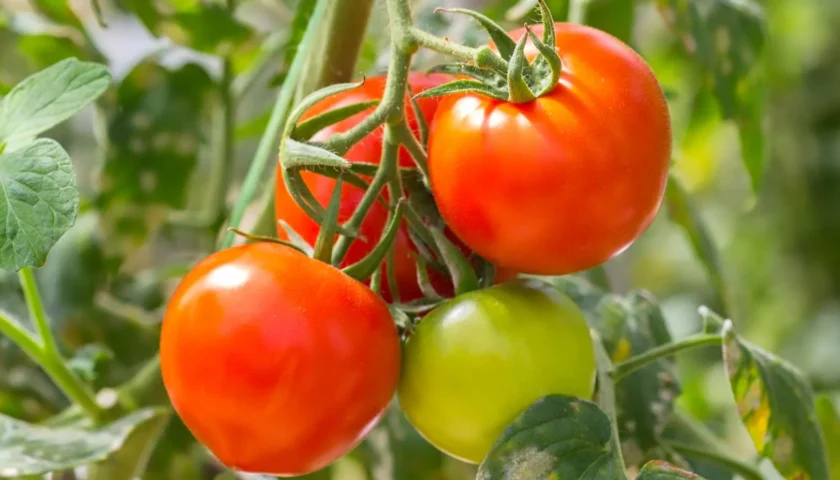
EUROPE – Extreme thermal conditions across Europe have disrupted the processing tomato industry by forcing crops to ripen early, with the World Processing Tomato Council warning that persistent heatwaves may sharply reduce late-season volume.
At the WPTC Congress in early June, the European processing tomato outlook was broadly positive, with the Mediterranean International Association of the Processing Tomato forecasting combined 2026 production at 17.6 million tons, up 4% year on year.
However, a widespread heatwave in the second half of June pushed the WPTC’s July 3 global estimate below 40 million tons, with heat stress remaining a defining factor.
Italy’s July 31 forecast stood at 6.1 million tons, unchanged from July 3. Early-season processing has been strong, with OI Pomodoro recording 175,000 tons processed by July 19, a record for that date, with strong Brix readings. However, rapid ripening has shifted concerns to the middle and late crop. A sharp volume decline is expected from late August, while factories are already operating at near-full capacity.
Spain’s outlook is mixed. Yields and quality have recovered in Andalusia, where all factories are operating at full capacity, but successive heatwaves are raising concerns about mid- and late-season output in Extremadura.
Meanwhile, Portugal has moved to a more cautious outlook, with harvesting underway and conditions stabilised after the early-July heat event, although the situation remains under observation. Turkey is in a comparatively stable position, with adequate water and no disease.
Extreme heatwaves are reshaping the European tomato industry’s future by accelerating maturation, shortening the growing season, reducing late-season volumes, and creating uncertainty for processors and growers.
Major economic pressures on global tomato processing margins include rising input costs for fertilisers, energy, agrochemicals, and packaging; elevated freight costs; expanding EU regulatory requirements; and competition from Chinese paste.
Input costs, including fertilisers, energy, agrochemicals, and packaging, have risen since 2020 and increased again in 2026 following supply chain disruptions in the Persian Gulf.
Furthermore, freight costs remain elevated, EU regulatory requirements are expanding, and competition from Chinese paste remains a market factor. Market participants expect continued margin pressure through the remainder of 2026 and into 2027.
Finally, the situation highlights the vulnerability of processing tomato supply chains to climate extremes and the need for adaptive strategies to ensure production stability and profitability in an increasingly volatile environment.
Sign up HERE to receive our email newsletters with the latest news and insights from Africa and around the world, and follow us on our WhatsApp channel for updates.