

Panama Canal proposes US$5.56B FY2027 budget with US$3.61B treasury contribution
The canal is preparing for challenging water conditions and the potential onset of a strong El Niño.
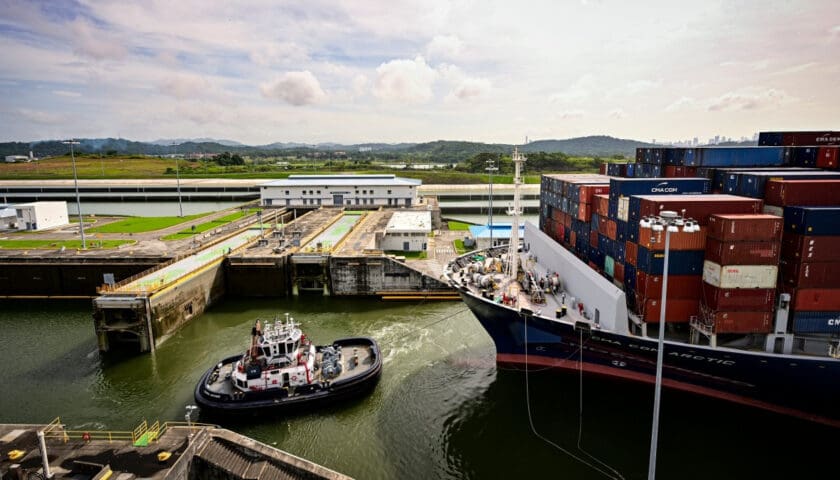
PANAMA – The Panama Canal Authority has presented a budget proposal to the Cabinet projecting revenue of US$5.56 billion for fiscal year 2027, with plans to contribute US$3.61 billion directly to Panama’s national treasury, up from US$3.19 billion approved for fiscal year 2026.
The canal projects 10,750 high-draft vessel transits for the fiscal year starting in October, compared with 10,623 recorded between October 2025 and July 2026. Including income tax, social security, educational insurance, and other state payments, total transfers to the state are projected at US$3.94 billion.
The existing toll structure and customer tariffs will remain unchanged for fiscal year 2027, although the per-net-ton fee will rise from US$1.00 to US$1.75 per CP/SUAB ton. This adjustment represents a 75% increase in the per-net-ton fee and will contribute to projected revenue growth.
Infrastructure Investment and Environmental Preparedness
New investment spending is budgeted at US$341.3 million, covering capital projects, contingency provisions, and strategic project development.
For instance, the Rio Indio lake water-management project has US$82 million in planned spending, with initial resettlements and tenders for construction design scheduled to begin during the fiscal year.
The canal is preparing for challenging water conditions and the potential development of a strong El Niño phenomenon. Despite expectations of nearly 11,000 vessel transits, the organization is proactively preparing for environmental challenges and potential water shortages that could affect operations.
Strategic Vision and Fiscal Planning
The budget proposal reflects the canal’s dual focus on maintaining operational efficiency while addressing long-term water security challenges.
Furthermore, the Rio Indio project represents a strategic investment to secure reliable water supply for canal operations, mitigating the impact of drought conditions that have previously forced draft restrictions and reduced transit capacity.
The per-net-ton fee increase is intended to support the canal’s financial goals while keeping toll rates competitive with alternative routes. The adjustment balances the need for revenue growth with the requirement to remain an attractive option for global shipping lines.
Finally, Panama’s National Assembly will next consider the budget proposal. Approval would confirm the canal’s financial framework for the coming year, including the higher treasury contribution and the capital investment programme.
Sign up HERE to receive our email newsletters with the latest news and insights from Africa and around the world, and follow us on our WhatsApp channel for updates.