

Kenya’s fruit export earnings jump to US$44.2M in June 2026
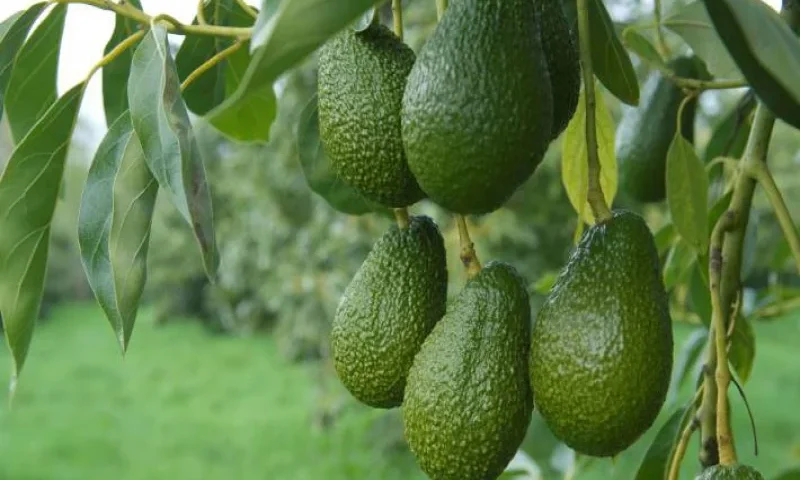
Avocados remain Kenya’s top fruit export earner, followed by pineapples and mangoes, according to AFA.
KENYA – Kenya’s fruit export earnings rose 19.8% year on year to KSh5.70 billion (US$44.2 million) in June 2026, according to the Agriculture and Food Authority (AFA).
Export volumes remained broadly stable at 25,742 tons, down 1.0% year on year. As a result, export value per ton rose by approximately 21%, reflecting stronger pricing power in international markets.
This monetary growth was driven mainly by the higher value per ton, despite a slight drop in overall shipment volumes.
For the full 2025/26 financial year, Kenya exported 231,727 tonnes of fruit worth KSh40.56 billion (US$314.4 million), compared with 251,594 tonnes valued at KSh43.30 billion (US$335.7 million) in 2024/25, according to the data.
This represents a 7.9% decline in volume and a 6.3% decrease in value. In the final quarter, from April to June, export earnings reached KSh14.61 billion (US$113.3 million), despite a slight volume decline.
Avocados remain Kenya’s top fruit export earner, followed by pineapples and mangoes, according to AFA. Avocado harvest volume reached a record 694,000 tons in 2025 and is projected to reach 727,000 tons in 2026, a 4.8% increase.
In addition, fresh avocado exports totalled 121,000 tonnes in 2025, down 23%, driven by the Red Sea crisis and an AFA suspension linked to immature fruit. Meanwhile, exports are forecast to reach 130,000 to 140,000 tonnes in 2026, up 7.4%.
The main avocado season runs from March to August, with smaller harvests from October to December. Avocado-growing areas include Murang’a, Kiambu, Kisii, Mt Kenya, Migori, Uasin Gishu and Trans Nzoia.
The Netherlands accounts for 24% of Kenya’s avocado exports, with the UAE second at 19% and Saudi Arabia third at 7%, according to AFA. Other markets include Spain, France, the UK, Germany, Italy and China.
The June performance reflects Kenya’s ability to secure higher prices in international markets, even as volumes plateau, with avocados continuing to dominate the fruit export basket.
Lastly, the sector’s recovery from previous logistical hurdles, including geopolitical shipping disruptions and regulatory suspensions, positions it for further growth in 2026, as production volumes reach record levels and key European and Middle Eastern markets absorb the rising supply.
Sign up HERE to receive our email newsletters with the latest news and insights from Africa and around the world, and follow us on our WhatsApp channel for updates.