
South Africa, Philippines discuss apple, pear, mango market access
The October meeting forms part of a broader phytosanitary negotiation process rather than a conclusion.
SOUTH AFRICA – A South African delegation, led by Ambassador Bartinah Radebe-Netshitenzhe, met with officials from the Philippine Bureau of Plant Industry (BPI) on 12 October to discuss expanding bilateral fruit trade.
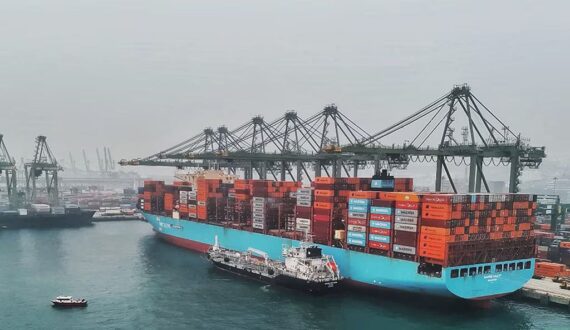
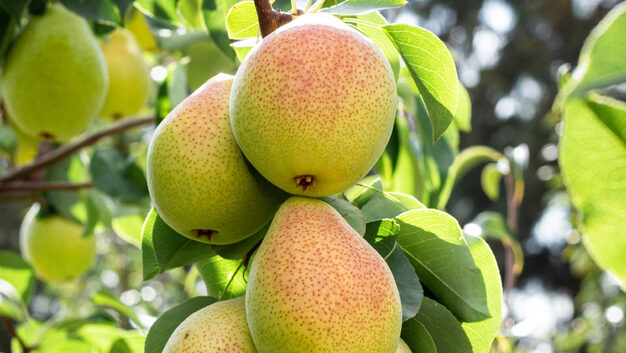
The discussions covered South Africa’s applications to export apples and pears to the Philippines, a review of import requirements for South African citrus fruits, and the Philippines’ request to export mangoes to South Africa.
The talks also addressed phytosanitary risk assessments for Philippine mangoes, an essential step in determining whether the fruit can enter the South African market.
For South African exporters, the timing reflects horticulture’s weight in the country’s trade profile. According to AgriSA’s 2025 annual report, South African agricultural exports reached a record R266.3 billion (US$15.1 billion) in 2025, with horticultural exports accounting for R143.4 billion (US$8.1 billion), or nearly 54% of total agricultural export earnings.
Citrus fruits alone generated R44.9 billion (US$2.5 billion), while grapes, apples and pears also contributed significantly. South Africa exported 2.9 million tonnes of citrus in 2025, making it the world’s largest citrus exporter by volume, according to the government.
Meanwhile, South Africa has pursued access to the Philippine market for years. In March 2026, the Philippines received its first official shipment of South African table grapes, following a market opening in February 2025, the result of negotiations that began in January 2015.
The two countries also reached an agreement in September 2020 allowing South African citrus exports, with technical discussions dating back to 2009.
Apples and pears now represent the priority. In March 2026, representatives of South Africa’s fruit industry reported that Philippine authorities had requested postponement of a technical visit intended to assess market access conditions for the two products.
Therefore, the October meeting forms part of a broader phytosanitary negotiation process rather than a conclusion.
However, the underlying constraint is regulatory rather than commercial. Phytosanitary assessments, pest risk analyses, and import conditions determine whether the importing authority grants market access and sets the timeline.
Finally, for apple and pear exporters, potential gains depend on the outcome of those assessments and on their ability to sustain sales once access is granted.
Sign up HERE to receive our email newsletters with the latest news and insights from Africa and around the world, and follow us on our WhatsApp channel for updates.