

Kenya allocates US$28.5M to modernise tea factories amid low farmer bonuses
The funding will target ageing factory infrastructure and productivity challenges as regional disparities persist, with East Rift farmers receiving bonuses of up to Sh60 per kilogramme.
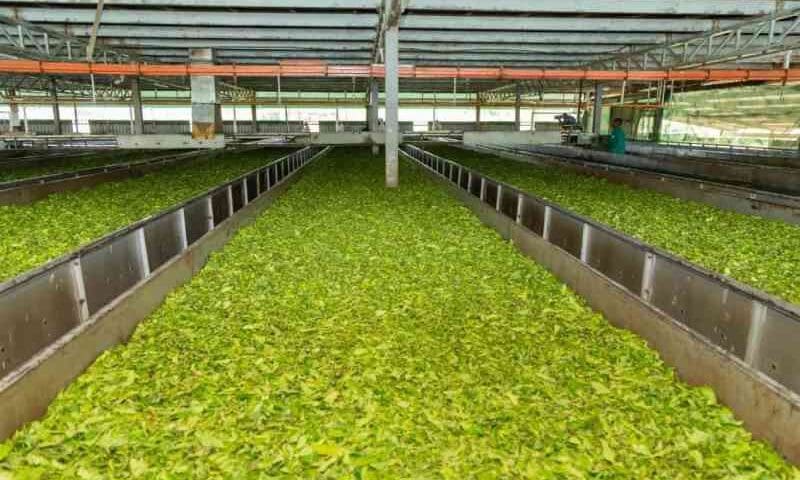
KENYA – Kenya’s President William Ruto has announced a Kes 3.7 billion (US$28.48M) government investment in tea factories to address persistent challenges in the sector and improve earnings for smallholder farmers, particularly in the West Rift region.
The funding will support factory modernisation, improve productivity and narrow the gap in bonus payments between farmers in the West and East Rift regions.
Ruto announced the investment in Nyamira County following complaints from Gusii leaders over low tea payments. The leaders called for fairer government policies in the sector, which remains a major source of income for thousands of households in the region.
Farmers in the East Rift, including the Mt Kenya region, have received bonuses of up to Kes 60 per kilogramme, significantly higher than payments recorded in Gusii and the West Rift.
The President said the government had already released Kes 1.2 billion (US$9.24M) to support tea factories, with another Kes 2.5 billion (US$19.24M) allocated for the next financial year.
“We faced many challenges in the tea sector. Tea leaves had been delayed at the Mombasa auction for more than three years, but that is now a thing of the past. The average tea price was Kes 36, but it is now Kes 57,” Ruto said.
However, he acknowledged that farmers in the West Rift continued to receive lower average prices, partly because of ageing factory infrastructure and operational inefficiencies.
Ruto added that the additional allocation would help address the longstanding regional disparities. He also identified high energy costs as another challenge, noting that many factories in the West Rift continued to depend on expensive electricity to operate.
A recent inquiry by the National Assembly Departmental Committee on Agriculture and Livestock established significant differences in tea prices between the two regions.
During the 2024/25 financial year, East Rift tea fetched an average of US$2.95 per kilogramme at auction, compared with US$1.78 for West Rift tea.
Although the western region accounts for approximately 70% of Kenya’s national tea production, farmers face challenges including lower-grade tea quality, higher production costs and tea hawking. Major export markets such as Pakistan and Egypt also favour grades produced in the East Rift.
To address these challenges, the parliamentary committee recommended replacing inefficient factory machinery, auditing local hydropower projects, conducting lifestyle audits of factory management and expanding international market development.
The committee also called for new legal frameworks to stabilise farmers’ earnings and address structural inequalities across Kenya’s tea industry.
Sign up HERE to receive our email newsletters with the latest news and insights from Africa and around the world, and follow us on our WhatsApp channel for updates.