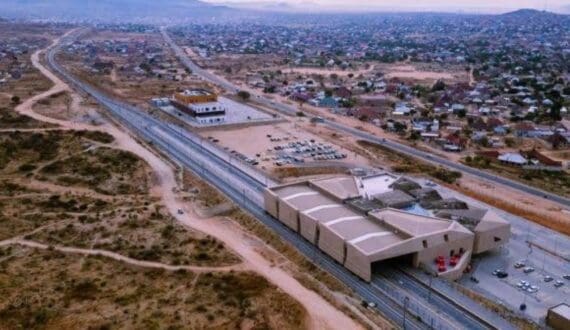
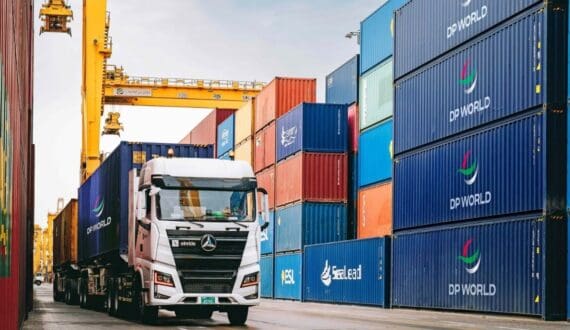
Mozambique launches US$7.5B corridor programme for Maputo, Beira, Nacala
Chapo said the strategy includes modernizing the Port of Nacala, developing a Special Economic Zone and expanding industrial parks, with the aim of stimulating productive transformation, value addition and job creation.
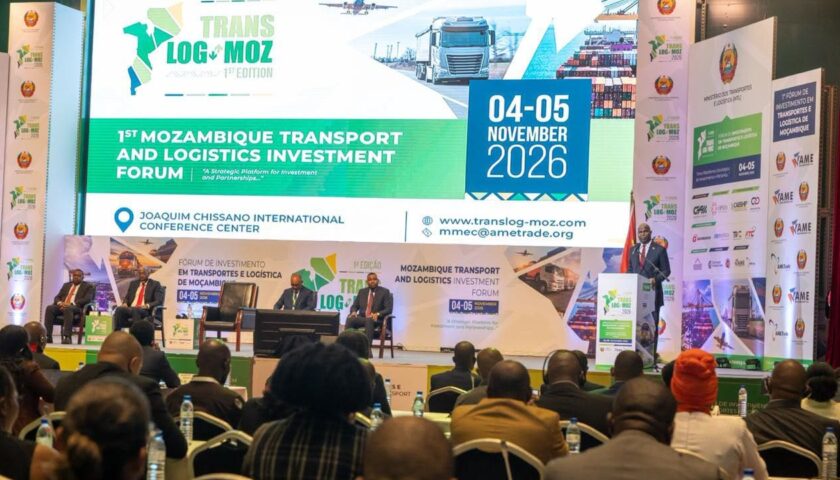
MOZAMBIQUE – President Daniel Chapo has disclosed that a programme of roughly US$7.5 billion in investment is underway to upgrade the logistics corridors in Maputo, Beira, and Nacala, according to local media reports.
Chapo spoke at the opening of the Transport and Logistics Investment Exhibition Forum (TRANS-LOG MOZ 2026), held in Mozambique.
Corridor allocations and project scope
The President revealed that approximately US$4.5 billion is allocated to the Nacala corridor in Nampula province, US$2 billion to the Maputo corridor, and more than US$1 billion to Beira in Sofala province
“These are major structural investments in the country’s key development corridors, specifically Maputo, Beira, and Nacala. This investment is aimed at modernizing transport and logistics infrastructure, boosting economic competitiveness, and consolidating Mozambique’s position as a vital logistics hub for the Southern Africa region (SADC),” Chapo said.
Maputo corridor investments include the modernization of the Port of Maputo, interventions on National Road Number 4, and improvements to border infrastructure, including the connection with South Africa.
“For Nacala corridor, investments will improve rail and port infrastructure. It will help transform the northern part of the country into a hub for production, trade, industrialization, and economic integration,” he added.
Chapo said the strategy includes modernizing the Port of Nacala, developing a Special Economic Zone and expanding industrial parks, with the aim of stimulating productive transformation, value addition and job creation.
Private sector role and institutional reform
Chapo emphasized the importance of private-sector participation, highlighting public-private partnerships, concessions and build-operate-transfer models as mechanisms for mobilizing investment.
“Modernization of infrastructure must be accompanied by institutional reforms, the simplification of administrative procedures, transparency, integrity, and the digitalization of both public and private services,” he explained.
He challenged public and private institutions to transform logistics corridors into platforms for industrialization and job creation, thereby reducing costs and bureaucracy.
“We must also focus on mobilization of investments to modernize infrastructure and improve the population’s quality of life, as well as deepening regional integration,” he said.
Lastly, the investments are part of Mozambique’s effort to expand its role in regional freight transport. Disruptions to parts of South Africa’s transport network in recent years have highlighted the risks of relying on a small number of major freight routes.
Sign up HERE to receive our email newsletters with the latest news and insights from Africa and around the world, and follow us on our WhatsApp channel for updates.