AGCOT targets Tanzania’s central region for mango export growth
Planned project aims to boost mango farming and exports using proven methods from SAGCOT
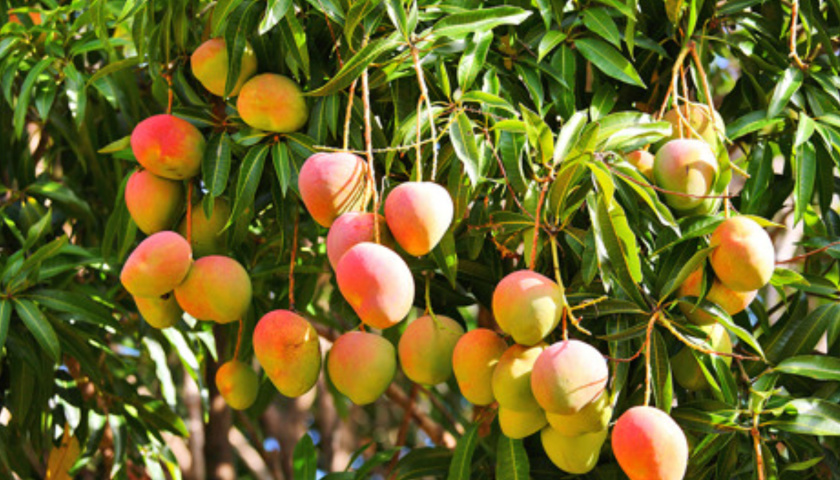
TANZANIA – Tanzania’s Agricultural Growth Corridor of Tanzania (AGCOT) will officially launch in the next financial year with a focus on turning the country’s central zone into a major mango production and export area.
The 20-year project follows the framework of the Southern Agricultural Growth Corridor of Tanzania (SAGCOT), which has successfully raised crop productivity and market access in southern regions like Njombe.
AGCOT will concentrate on high-value crops, particularly mangoes, which experts see as a strong export product with rising demand.
“The central zone can support vast mango production, a crop that stands as one of the country’s high-value export foods,” said Geoffrey Kirenga, CEO of SAGCOT.
Kirenga pointed to SAGCOT’s impact on Njombe, where potato farming has flourished. “Before SAGCOT, no one in Njombe spoke about potatoes. Today, it is the leading region for potato production, exporting large quantities to Kenya,” he said.
The AGCOT project will cover multiple regions. In addition to Dodoma, Singida, and Tabora in the central zone, it will include parts of the northern, southern, and lake zones.
These areas are listed in the national agricultural master plan, which identifies crops and farming systems with strong economic potential.
According to Kirenga, 99 percent of AGCOT’s funding will come from private investors. These funds will support modern farming techniques, value-added processing, and stronger links to domestic and international markets. A draft plan is almost complete, with financial details expected soon.
Kirenga added that cooperation with local and international partners will be key. “We want to make sure we’re not working alone. Farmers, buyers, processors, and exporters must all benefit,” he said.
Diplomatic row over imports eased
In a related development, Tanzania has lifted a short-lived ban on farm imports from Malawi and South Africa. The ban, imposed on April 23, also included restrictions on fertilizer exports to Malawi. It was withdrawn two days later following talks between the countries.
Joseph Ndunguru, Director General of the Tanzania Plant Health and Pesticides Authority, explained, “The ban was lifted to enable a diplomatic ministerial discussion.”
The ban was originally triggered by claims from Tanzania’s Agriculture Minister Hussein Bashe. He accused Malawi and South Africa of blocking Tanzanian banana imports for several years.
South African authorities disputed this, with agricultural economist Wandile Sihlobo saying, “I reached out to South African authorities and found no record of Tanzania applying for market access.”
As AGCOT moves forward with its mango plans, officials hope this kind of diplomatic coordination can ensure smoother trade relationships and better returns for farmers and agribusinesses alike.
Sign up HERE to receive our email newsletters with the latest news and insights from Africa and around the world, and follow us on our WhatsApp channel for updates.