

Argentine sheep meat exports rise 2.5% in first seven months of 2025
Shipments to the European Union and Middle East markets expand as Chile reopens to Argentine lamb
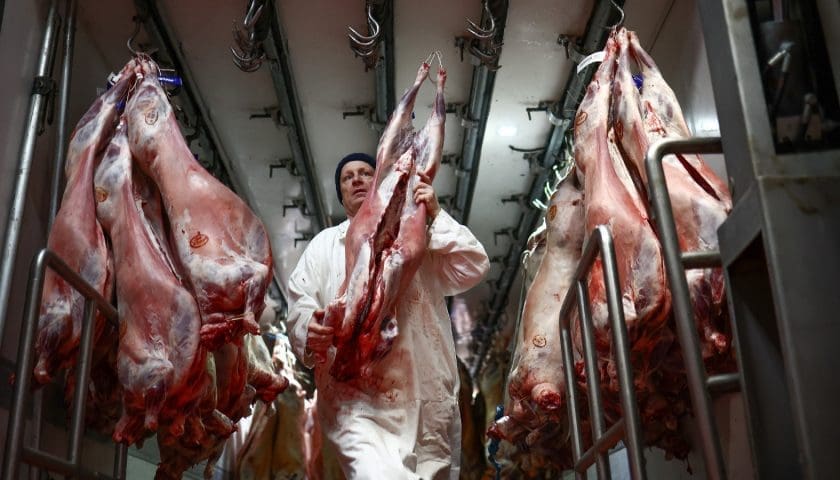
ARGENTINA – Argentina’s sheep meat exports reached 4,210 tons between January and July 2025, reflecting a 2.51% increase compared to the same period last year, according to data from the Secretariat of Agriculture, Livestock, and Fisheries.
The figure also represents a 19% cumulative growth compared to 2023, with the country’s export momentum showing steady progress despite a shrinking national flock.
July 2025 recorded particularly strong performance, with 402 certified tons shipped, marking an 89.5% rise from July 2024.
According to information from SENASA, the government’s animal health agency, the growth was mainly driven by higher demand in traditional and emerging export destinations.
Expanding export markets
Argentina continues to supply key markets including Brazil, Tunisia, Oman, Curaçao, Portugal, Saudi Arabia, and Kuwait, while also strengthening its presence in Spain, Russia, the Bahamas, and Saint Martin.
Exports to the European Union increased by nearly 70% in the first seven months of 2025, reaching their highest level since 2019.
The European Union currently grants Argentina an annual export quota of 17,006 tons (bone-in beef equivalent), while the United Kingdom allocates 5,994 tons each year.
Together, these quotas remain crucial for sustaining the country’s international lamb trade and maintaining access to high-value markets.
In addition, Argentina recently welcomed the decision by Chile’s Agricultural and Livestock Service (SAG) to restore its sanitary recognition of the country’s foot-and-mouth disease-free zone without vaccination.
This move effectively lifts the import suspension on bovine and ovine products from Patagonia, reopening the Chilean market to Argentine lamb after a long hiatus.
Production decline continues
Despite the rebound in exports, Argentina’s sheep production continues to face structural challenges.
The national flock has dropped to just over 12.5 million heads, a steep fall from approximately 48 million recorded in the 1960s.
Chubut, Santa Cruz, and Buenos Aires remain the leading sheep-producing provinces, though the focus of the sector has largely shifted toward wool rather than meat production.
Analysts attribute the decline in sheep numbers to the replacement of sheep with cattle, land degradation, and the expansion of crop farming into traditional grazing areas.
While export figures offer some optimism for producers, the long-term outlook will depend on whether the industry can balance its focus between wool and meat to stabilize production levels.
Sign up HERE to receive our email newsletters with the latest news and insights from Africa and around the world, and follow us on our WhatsApp channel for updates.