
Astral Foods invests US$7.52M in water pipeline for Standerton poultry plant
Water supply challenges push South Africa’s poultry producer to develop its own infrastructure.
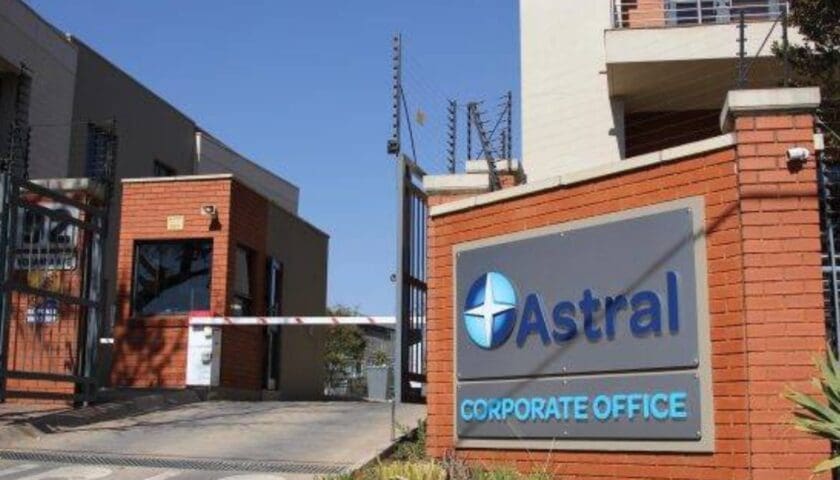
SOUTH AFRICA – Astral Foods plans to invest R125 million (US$7.52m) in a dedicated water pipeline to secure supply for its Goldi Poultry processing plant in Standerton, Mpumalanga, following persistent water shortages linked to the Lekwa Local Municipality’s inability to meet the facility’s requirements.
The investment will enable the poultry producer to transport water directly from the Vaal River, approximately six kilometres from the plant, reducing its reliance on municipal supply and supporting the continuity of processing operations.
Astral has already been trucking water from the river to maintain production, an interim measure that highlights the operational and logistical costs associated with unreliable water infrastructure.
Chief executive Gary Arnold described the pipeline as an unwelcome but necessary investment, saying the company could no longer depend entirely on the municipality to provide a consistent supply.
“We’ve now had to make alternative plans and it’s a bit of a grudge purchase. But if we don’t do that, we won’t be able to invest our future and our business in the town,” Arnold said.
He added that Astral is Standerton’s largest employer and has a responsibility to its workforce and the surrounding community.
Arnold also argued that the expenditure would not have been necessary had municipal infrastructure been properly maintained.
For poultry processors, reliable water access is essential across several stages of production, including slaughtering, carcass washing, equipment sanitation and maintaining hygiene standards.
Disruptions can affect processing schedules, increase operating costs and complicate compliance with food safety requirements.
The pipeline therefore represents a strategic investment in operational resilience, allowing Astral to address a critical production dependency through dedicated infrastructure.
However, the project also adds to the costs businesses face when public utilities cannot consistently meet industrial demand.
The development has brought municipal service delivery into focus ahead of South Africa’s local government elections, scheduled for 4 November 2026.
Water supply, electricity reliability, road maintenance and municipal accountability are among the issues affecting businesses and communities.
Astral’s investment illustrates how infrastructure constraints can influence corporate spending decisions, particularly in water-intensive sectors such as food processing.
While private infrastructure can help safeguard production, it also raises questions about the long-term sustainability of businesses having to fund alternative solutions to essential public services.
For South Africa’s poultry industry, dependable water infrastructure remains important to protecting processing capacity, employment and the stability of domestic chicken supply chains.
Astral’s pipeline project demonstrates how utilities reliability is increasingly becoming a business continuity consideration rather than simply a municipal service issue.
Sign up HERE to receive our email newsletters with the latest news and insights from Africa and around the world, and follow us on our WhatsApp channel for updates.