
Azerbaijan imports avocados from Zimbabwe for first time in 16 years
The country produced 125,028 tonnes in 2023/24, making it Africa’s fifth-largest avocado producer.
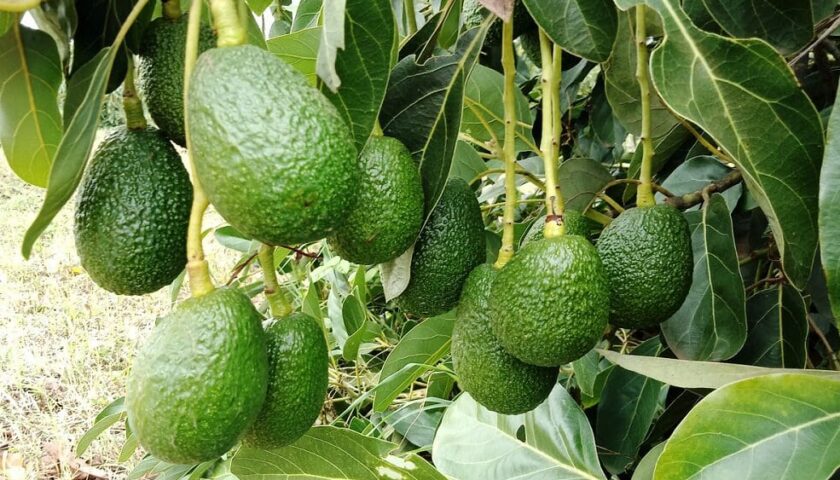
AZERBAIJAN – Azerbaijan imported 900 kg of avocados worth US$4,320 from Zimbabwe in January to August 2026, the first shipments from the country in 16 years, as part of total avocado imports of 617 tonnes worth US$1.9 million, according to the State Statistics Committee.
Both the overall import volume and value declined compared with the same period in 2025, by 1.1% and 5.5% respectively.
During the reporting period, Azerbaijan sourced avocados from Peru, Israel, South Africa, Kenya, Lebanon and other countries alongside Zimbabwe.
For importers, diversifying supply sources reflects the practical logic of a small market. Azerbaijan’s volumes are modest relative to major European buyers, so it cannot dictate terms with any single origin.
Instead, it draws on a range of suppliers whose harvest windows differ, allowing year-round availability without dependence on a single country’s season.
On the other hand, the Zimbabwean shipment is commercially negligible at 900 kg, yet it illustrates how small origins enter new markets.
A single trial consignment lets the buyer assess quality, transit time, and phytosanitary compliance before committing to larger volumes.
Zimbabwe’s avocado sector is small but expanding, with exports projected to exceed 6,000 tonnes in 2026, more than double the 2,500 tonnes shipped in 2025, according to the Horticultural Development Council.
Moreover, the country produced 125,028 tonnes in 2023/24, making it Africa’s fifth-largest avocado producer. Hass, Esther, Fortuna and Gwen varieties are cultivated in the Eastern Highlands.
However, Zimbabwe’s exporters face structural constraints. Access to long-term funding for orchard expansion remains difficult, and large Peruvian volumes are pushing international prices lower, making smaller fruit sizes uneconomic to export.
Export revenue has also lagged volume growth: despite volumes rising 128% between 2017 and 2024, revenue grew just 24%, from US$1.69 million to US$2.09 million, reflecting limited pricing power on raw fruit shipments.
For Azerbaijan, the decline in both volume and value suggests demand is not expanding despite the wider supplier base.
The market remains small, and the 5.5% value decline indicates either lower unit prices or a shift toward cheaper origins.
Finally, whether Zimbabwe becomes a regular supplier depends on its ability to deliver consistent quality at competitive prices, the test every new origin faces when entering a market dominated by established suppliers.
Sign up HERE to receive our email newsletters with the latest news and insights from Africa and around the world, and follow us on our WhatsApp channel for updates.