

Counterfeit Pink Lady apples flood Uzbekistan supermarkets
Apples sold under the Pink Lady® brand in Uzbekistan fail to meet quality standards and are being marketed without a license.
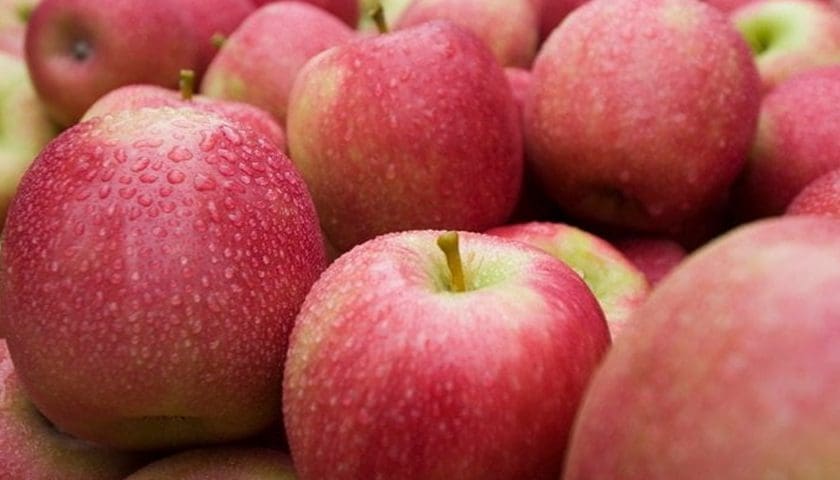
UZBEKISTAN – Supermarkets across Uzbekistan are selling apples labeled as Pink Lady®, despite having no license from Apple and Pear Australia Ltd (APAL), the rightful brand owner.
This development has raised concerns about trademark violations and quality misrepresentation in the fresh produce sector.
Pink Lady is one of the few successful branded apples in the world. Its popularity comes from consistent quality and strict production rules. However, in Uzbekistan, that reputation is now at risk.
Experts at EastFruit have noted that supermarkets are selling apples using the Pink Lady name without the required permissions, and the quality of these apples falls far below the brand’s standards.
“This is outright piracy,” said a representative from EastFruit. “The apples being sold do not just lack the brand’s quality, they also fail to meet even the basic international standards for fresh apples.”
To be sold under the Pink Lady name, apples must meet specific criteria. These include a sugar content of 13 to 15 percent, firmness between 6.5 to 9, and a color intensity of 4.5 to 5. They must also be free of serious defects.
These standards require apples to grow in areas with warm climates and wide temperature differences between day and night during the growing season.
Uzbekistan, experts say, does not offer the right climate for this variety. “The necessary color development is hard to achieve here,” said the same EastFruit source. “That’s why Uzbekistan is unlikely to be approved as an official grower of this brand.”
Despite this, apples sold as Pink Lady are common in major Tashkent supermarkets. A photo taken recently from a local store shows apples with poor color and texture, failing to meet both brand and international expectations.
Selling these apples under the Pink Lady name not only misleads customers but also damages the brand’s reputation.
Globally, producers pay licensing fees of around US$4,000, plus royalties ranging from US$80 to US$100 per ton of apples sold. This cost covers both the right to use the name and the brand’s investments in marketing.
Because of the high standards and recognition, Pink Lady apples usually sell at higher prices. However, in Uzbekistan, these counterfeit versions often cost less than other apples on the shelf.
More recently, several Cripps Pink mutations have also been approved under the Pink Lady brand, including varieties like Rosy Glow and Lady in Red. But like the original, all these varieties must follow the same quality rules.
Without the right climate or licensing, Uzbekistan’s unauthorized use of the name puts the entire brand at risk.
For now, shoppers are being misled, and the true Pink Lady® apple is losing its value in a market it never approved.
Sign up HERE to receive our email newsletters with the latest news and insights from Africa and around the world, and follow us on our WhatsApp channel for updates.