

Tanzania, Burkina Faso push forward with irrigation plans to support farmers
The two countries are scaling up public investments to protect food production from climate shocks.
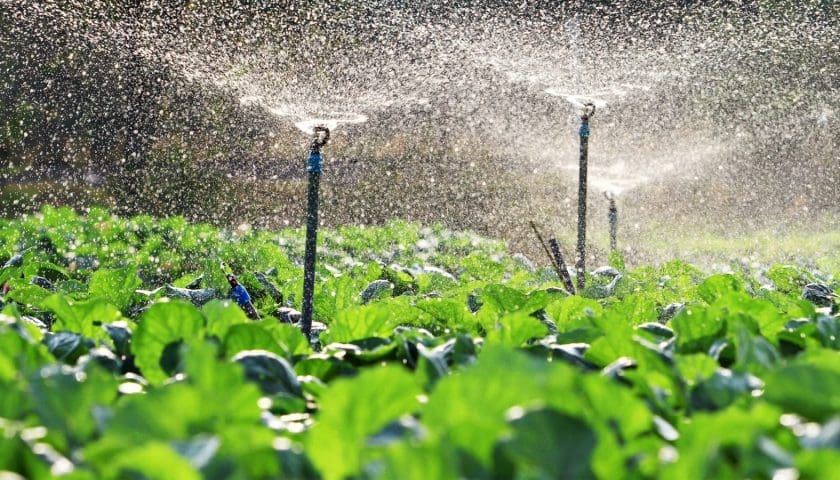
TANZANIA – Tanzania and Burkina Faso are expanding public irrigation infrastructure in hopes of improving food security and stabilizing farm output during dry spells.
In Tanzania, Minister of Agriculture Hussein Bashe said on May 21 that the government plans to drill 500 irrigation wells across 178 districts in the 2025/2026 fiscal year.
“These wells will help irrigate 30,393 hectares and benefit nearly 59,000 farmers,” Bashe told local media.
This move builds on previous work. Between 2020 and 2025, Tanzania increased its number of irrigation projects from 13 to 780. These efforts now cover more than 543,000 hectares, with an investment totaling 1.35 trillion shillings or about US$498 million, according to the Ministry of Agriculture.
Despite these gains, Tanzania still has a long way to go. The Tanzania Investment Centre estimates the country has 29.4 million hectares of land that could be irrigated. For now, just under 1.3 million hectares are equipped with irrigation.
Agriculture is a key part of Tanzania’s economy. It contributes 23 percent of GDP and employs about 65 percent of the labor force. Main crops under irrigation include rice, maize, and sugar cane.
Burkina Faso begins dam project in Bama
Meanwhile, Burkina Faso has also taken steps to increase its irrigation capacity. On April 25, the country’s Ministry of Agriculture and Animal Resources confirmed that construction had begun on a dam in Diaradougou, Bama district.
The project, located in the Hauts-Bassins region, will cost 6 billion CFA francs, or US$10.4 million. It is funded entirely from the national budget.
The dam will store up to 10 million cubic meters of water and support irrigation across 1,260 hectares of farmland. Officials hope the project will allow farmers in the area to grow crops throughout the year.
“This project is part of the dynamic of strengthening Burkina Faso’s food sovereignty, by promoting resilient and sustainable irrigated agriculture,” the ministry said in its statement.
The Hauts-Bassins region already plays an important role in Burkina Faso’s agriculture. It ranks second in cereal output and leads in vegetable production.
National data shows the region contributes 15 percent of the country’s total harvest, which reached 5.1 million tons in the 2023/2024 season.
Regional commitment to irrigation
Both Tanzania and Burkina Faso are aligning their efforts with wider regional goals. In early 2025, Burkina Faso and five other Sahel countries made joint pledges at the “Dakar+10 Forum” to strengthen agricultural irrigation systems.
However, challenges remain. Burkina Faso had just 55,000 hectares equipped for irrigation in 2022, according to the FAO. That figure represents less than 1 percent of the land currently under cultivation.
The new projects in both countries aim to change that, offering farmers more reliable access to water and a better chance of producing food year-round.
Sign up HERE to receive our email newsletters with the latest news and insights from Africa and around the world, and follow us on our WhatsApp channel for updates.

