

Ethiopia embarks on cocoa development drive to diversify agricultural exports
Ethiopia launches a national cocoa development program to expand exports and join the fast-growing global chocolate market.
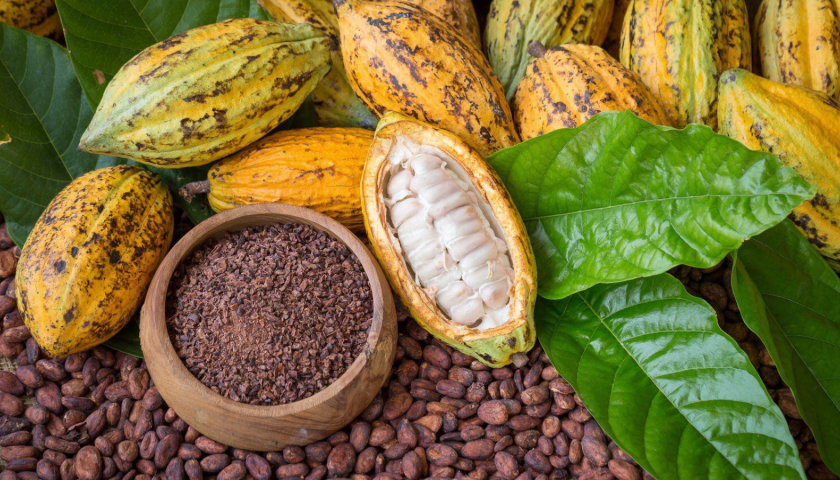
ETHIOPIA – Ethiopia is set to develop its cocoa industry as part of a broader strategy to diversify agricultural exports and tap into the global chocolate market.
The initiative seeks to establish cocoa as a viable cash crop alongside coffee, tea, and spices.
Speaking to journalists, Ethiopian Institute of Agricultural Research (EIAR) Director General Nigussie Dechassa said efforts are underway to adapt cocoa cultivation to the country’s various agro-climatic zones.
He noted that while cocoa remains relatively new to Ethiopia, its strong global demand presents an attractive opportunity for the nation’s agricultural diversification agenda.
According to Nigussie, Ethiopia’s fertile soils, favourable temperatures, and consistent rainfall create suitable conditions for cocoa production.
The Ethiopian Institute of Agricultural Research, through the Tepi National Spices Research Centre, has introduced a Forastero-type cocoa variety that has been tested for adaptability, performance, and bean quality in the southwestern part of the country.
The registration of this Forastero cocoa variety marks the first official recognition of cocoa as a commercial crop in Ethiopia, paving the way for future cultivation and export. Currently, cocoa production remains limited to experimental plots at the Tepi Agricultural Research Centre.
Over the past decade, several domestic chocolate manufacturers have entered the Ethiopian market, though most rely on imported cocoa powder combined with locally produced vegetable oil to make compound chocolate. The new cocoa initiative aims to reduce dependence on imports by fostering local production.
Nigussie added that, during the most recent planting season, more than 32,000 cocoa seedlings were distributed to farmers as part of the government’s campaign to promote high-value export crops.
He emphasized that cocoa cultivation aligns with Ethiopia’s broader plan to increase agricultural productivity and value addition through crop diversification.
Globally, cocoa cultivation is concentrated around the equator, with Africa accounting for roughly 70% of total production, according to the United Nations Conference on Trade and Development (UNCTAD).
Meanwhile, global cocoa prices recently hit five-week highs following the announcement that the Bloomberg Commodity Index will reintroduce cocoa in January for the first time in two decades.
Prices have also been supported by reduced exports from the Ivory Coast, the world’s largest producer, where shipments fell by 16% compared to the same period last year.
Sign up HERE to receive our email newsletters with the latest news and insights from Africa and around the world, and follow us on our WhatsApp channel for updates.

