
FDA bans methylene chloride in fruit and vegetable inks from 2027
The January 2027 deadline provides roughly two months for labelling changes, supplier verification and stock rotation.
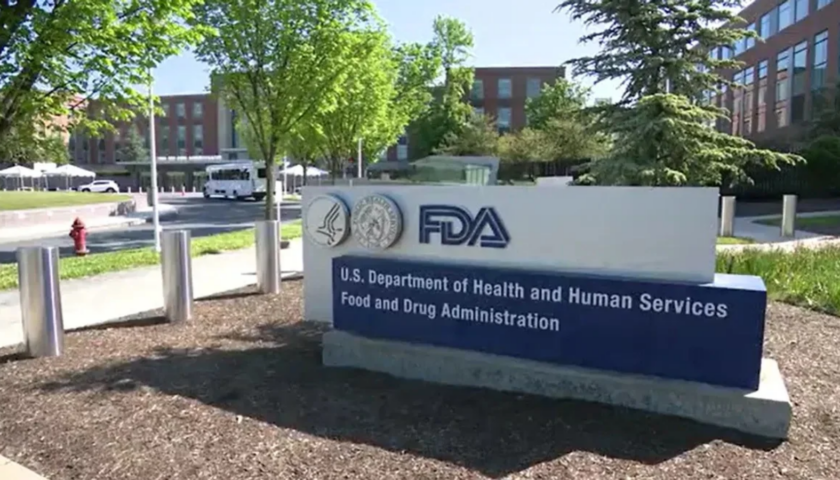
UNITED STATES – The U.S. Food and Drug Administration has banned the use of methylene chloride in the inks used to mark fruit and vegetables, effective January 11, 2027, according to the agency.
The FDA agrees that the solvent causes cancer in laboratory animals and is acting under the Delaney Clause, which deems a colour additive unsafe if it has been found to cause cancer in humans or animals.
Methylene chloride is also used to strip paint, and the Environmental Protection Agency (EPA) banned all consumer uses and most commercial uses of the chemical in 2024.
A second FDA order is removing methylene chloride and two other solvents, ethylene dichloride and trichloroethylene, from the rules governing the production of annatto, paprika and turmeric colours.
The International Association of Color Manufacturers (IACM) requested the change and showed that the industry had already stopped using them.
Therefore, IACM’s request confirms that manufacturers voluntarily abandoned methylene chloride, ethylene dichloride and trichloroethylene in colour production before the order was issued.
This means the regulatory change formalizes existing practice rather than forcing an abrupt transition.
The timing is critical for any operation still using affected inks. The January 2027 deadline provides roughly two months for labelling changes, supplier verification and stock rotation.
Growers who rely on printed markings for traceability, brand identification or regulatory compliance need to confirm that their ink suppliers have reformulated their inks, or that alternative marking systems are in place, before the effective date.
However, separate rules for food additives still permit residues of these solvents in spice oleoresins and decaffeinated coffee, according to the FDA.
In the fresh produce sector, the order reinforces a broader shift in export markets towards eliminating hazardous chemicals from packaging and labelling.
Moreover, buyers in Europe and other regulated markets increasingly require suppliers to demonstrate compliance with chemical restrictions, and the FDA’s action aligns the US framework with standards already in place elsewhere.
Lastly, growers exporting to multiple destinations should view the change as part of a broader compliance trend rather than as an isolated US rule.
Sign up HERE to receive our email newsletters with the latest news and insights from Africa and around the world, and follow us on our WhatsApp channel for updates.