Published
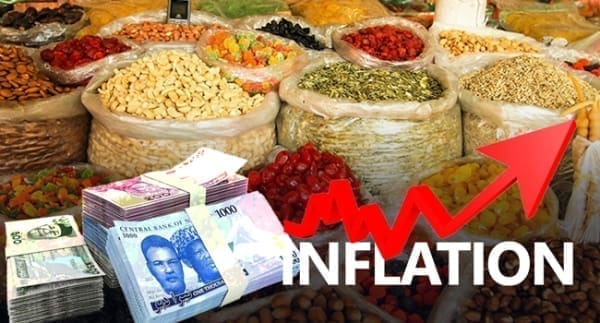
GHANA- According to the Ghana Statistical Service, the country’s inflation for June 2024 decreased slightly to 22.8% in June compared to 23.1% in May.
The latest inflation data revealed a substantial hike in food and other essential consumer goods, prompting calls for policy interventions.
The most significant price increase was fresh okra, increasing by 87.8%, green pepper at 71%,, and tomatoes at 67.5% year-on-year (YoY) price increase.
The price of oranges has increased by 55.9% YoY, garlic prices have increased by 50.1%, and avocado prices have experienced a 48.3% YoY price increase for the reported month. Cocoyam leaf prices have increased by 46.5% YoY.
The prices of kokonte, onions, tomatoes, rice, and yam have increased by as much as 140-360% in the past six months.
The average monthly price variation for food and essential items for June was 27% compared to the previous month. Food inflation has increased alarmingly over the past year, peaking at 61% in 2023 and 29.6% in 2024.
The sharp increase in food prices reflects challenges currently experienced in Ghana’s food security. The relatively high food inflation has also caused producers to reduce quantities of food items without changing prices.
Economists and market analysts attribute this increase in food prices to increased reliance on imported food products. The Ghana Statistical Service revealed that the country imported US$400 million of tomatoes from Burkina Faso in 2023.
The West African country also struggles with high input costs, while some input resources remain scarce. The agriculture sector also suffers from a lack of credit access, which has inhibited growth and expansion.
Ghana’s currency’s depreciation has also contributed to a rise in local food prices. In 2024 alone, the cedi depreciated by 13.7% against the US dollar, making it the fourth worst-performing currency in the world.
The government has been implored to implement more proactive agriculture policies to encourage local production. Ghana has faced criticisms over its agriculture policy, especially the Planting for Food and Joy (PFJ) initiative for corruption and mismanagement.
Liked this article? Subscribe to Food Business Africa News, our regular email newsletters with the latest news insights from Africa and the World’s food and agro industry. HERE
No related posts.
We use cookies to improve your experience on our site. By using our site, you consent to cookies.
Manage your cookie preferences below:
Essential cookies enable basic functions and are necessary for the proper function of the website.
These cookies are needed for adding comments on this website.
Google's current Sign in with Google client library. It renders the Google sign-in button, or the One Tap prompt, so visitors can log in to your site with their Google account. It replaces the older Google Sign-In platform library.
Service URL: policies.google.com (opens in a new window)
Google Tag Manager simplifies the management of marketing tags on your website without code changes.
Statistics cookies collect information anonymously. This information helps us understand how visitors use our website.
Google Analytics is a powerful tool that tracks and analyzes website traffic for informed marketing decisions.
Service URL: policies.google.com (opens in a new window)
WPMU DEV Analytics is the visitor statistics feature of the WPMU DEV Dashboard plugin. It reports traffic and visitor behavior inside The Hub using a Matomo analytics instance hosted by WPMU DEV.
Service URL: wpmudev.com (opens in a new window)
Marketing cookies are used to follow visitors to websites. The intention is to show ads that are relevant and engaging to the individual user.
AddToAny provides share and follow buttons that let visitors post your pages to social networks, messaging apps, and bookmarking services.
Service URL: www.addtoany.com (opens in a new window)