Global food prices rising in June as meat hits record high
Bovine meat prices surge on tightening supplies from Brazil and strong U.S. demand.
WORLD – Meat prices have continued to climb, reaching a new record in June, according to data released by the United Nations’ Food and Agriculture Organization (FAO) on Friday.
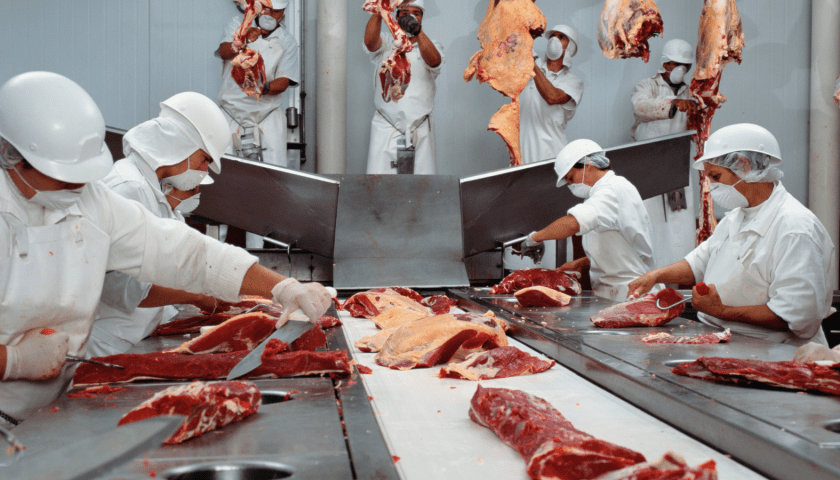
The FAO’s latest Food Price Index shows that meat reached 126.0 points last month, a 6.7% rise compared to June 2024, with all categories except poultry recording gains.
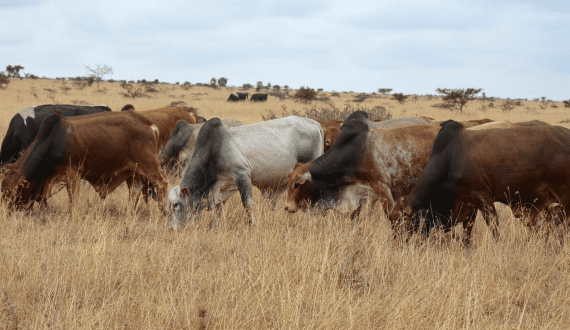
Bovine meat led the increases, driven by reduced supplies from Brazil and steady demand in the United States.
Poultry prices moved in the opposite direction, continuing their decline due to an ample supply from Brazilian producers.
The rise in meat prices contributed to a broader increase in the FAO Food Price Index, which monitors monthly price movements of globally traded food commodities.
In June, the overall index averaged 128.0 points, a 0.5% increase from May and 5.8% higher than the same month last year.
However, despite the recent uptick, the index still remains 20.1% below its peak recorded in March 2022.
Vegetable oil and dairy prices also climb
Vegetable oil prices rose 2.3% to 155.7 points, boosted by gains in palm, rapeseed, and soy oil markets.
Palm oil prices jumped nearly 5% from the previous month, supported by strong demand from importing countries.
Soy oil was also up, with expectations of rising demand for biofuels following new policy measures announced in Brazil and the United States.
The dairy price index inched up by 0.5% to 154.4 points, reflecting a sharp 20.7% increase from June last year.
Grains and sugar see decline
In contrast, cereal prices dropped for the second month in a row, falling 1.5% in June to 107.4 points, which is now 6.8% lower year-on-year.
Maize prices saw a significant decline, pressured by large harvests and increased export competition from Brazil and Argentina.
Barley and sorghum prices also trended downwards, though wheat prices bucked the trend, rising slightly due to unfavorable weather forecasts in Russia, the European Union, and the United States.
In a separate report, the FAO raised its global cereal production forecast for 2025 to 2.925 billion tonnes, a 0.5% increase from its previous outlook and 2.3% higher than the 2024 output.
However, the agency cautioned that potential hot and dry conditions in parts of the Northern Hemisphere, particularly during maize development, could impact the final figures.
Sign up HERE to receive our email newsletters with the latest news and insights from Africa and around the world, and follow us on our WhatsApp channel for updates.