Global meat consumption is rising steadily – FAO
Poultry expected to dominate global protein intake; emissions and disease outbreaks remain key concerns
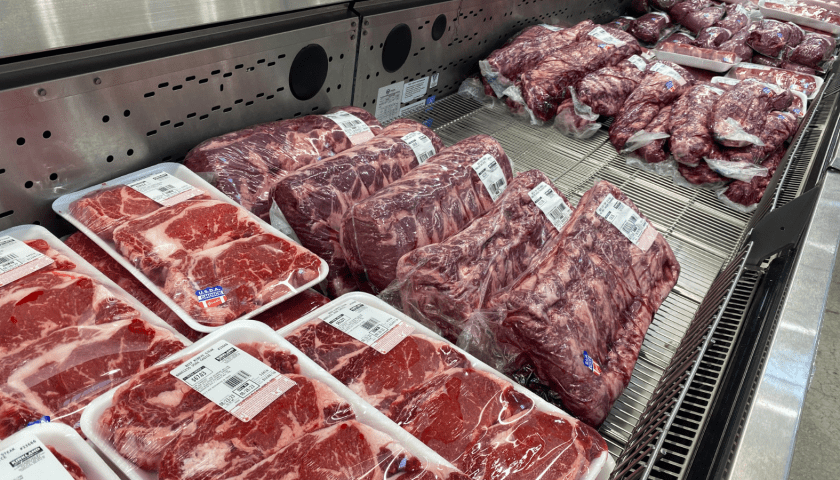
WORLD – Global meat consumption is expected to grow by 47.9 million tons over the next decade, according to a new joint forecast by the OECD and the Food and Agriculture Organization (FAO).
The report projects that per capita meat consumption will rise by 0.9 kilograms annually between 2025 and 2034, measured in edible retail weight.
Poultry will play the biggest role in this growth due to its relatively low cost, broad consumer acceptance, and smaller environmental impact compared to other meat types.
By 2034, poultry is projected to make up 45% of all meat protein consumed globally.
Production trends and regional shifts
Total global meat production is expected to reach 406 million tons by 2034, marking a 13% increase from the base period.
Asia is forecast to contribute over half of this growth, with China, India, and Vietnam leading the regional output.
Latin America will also see a significant rise in production, supported by its availability of land, feed resources, and livestock genetics.
Of the total increase, poultry alone will account for 28.5 million tons, cementing its place as the fastest-growing meat category.
Changing consumption patterns and sustainability concerns
In wealthier nations, growing awareness around environmental issues, health, and animal welfare is causing a slowdown in meat consumption, especially for beef and pork.
This shift is prompting consumers in places like Canada and the European Union to either reduce or maintain their current levels of meat intake.
Despite advances in productivity through improved breeding, heavier slaughter weights, and better yields, emissions from meat production are expected to rise by 6%.
While total output climbs by 13%, beef will remain the top contributor to carbon emissions, though newer practices in genetics and animal nutrition may help ease some of its environmental toll.
Trade and pricing outlook
China’s share in global meat imports is projected to drop from 20% to 16% by 2034, which has already started reshaping global trade flows.
The reduced demand from China has led to a contraction in pork output in key exporting countries, although global meat exports are expected to rebound, reaching 40.2 million tons in 2024.
Brazil and Australia are anticipated to set new export records as the market recovers.
Short-term price increases are likely for beef and lamb due to slower herd rebuilding, while pork and poultry prices are expected to fall with rising supply and lower Chinese demand.
Looking ahead, real prices for all meat types are forecast to decline as productivity gains and reduced feed costs take effect.
Threats to the sector
The report flags disease outbreaks such as African swine fever and avian influenza as ongoing threats to production and trade.
It also warns that climate policies, including carbon taxes and tighter regulations on antibiotics, may raise operational expenses and affect the competitiveness of global meat producers.
Sign up HERE to receive our email newsletters with the latest news and insights from Africa and around the world, and follow us on our WhatsApp channel for updates.